
Hoi An
Hoi An Travel Guide: Everything We Know About the Old Town
A UNESCO-listed trading port that is small, hot at midday and at its best after four o’clock. How long to stay, how the ticket works, how to shape a day, and every detailed Hoi An guide on this site in one place.
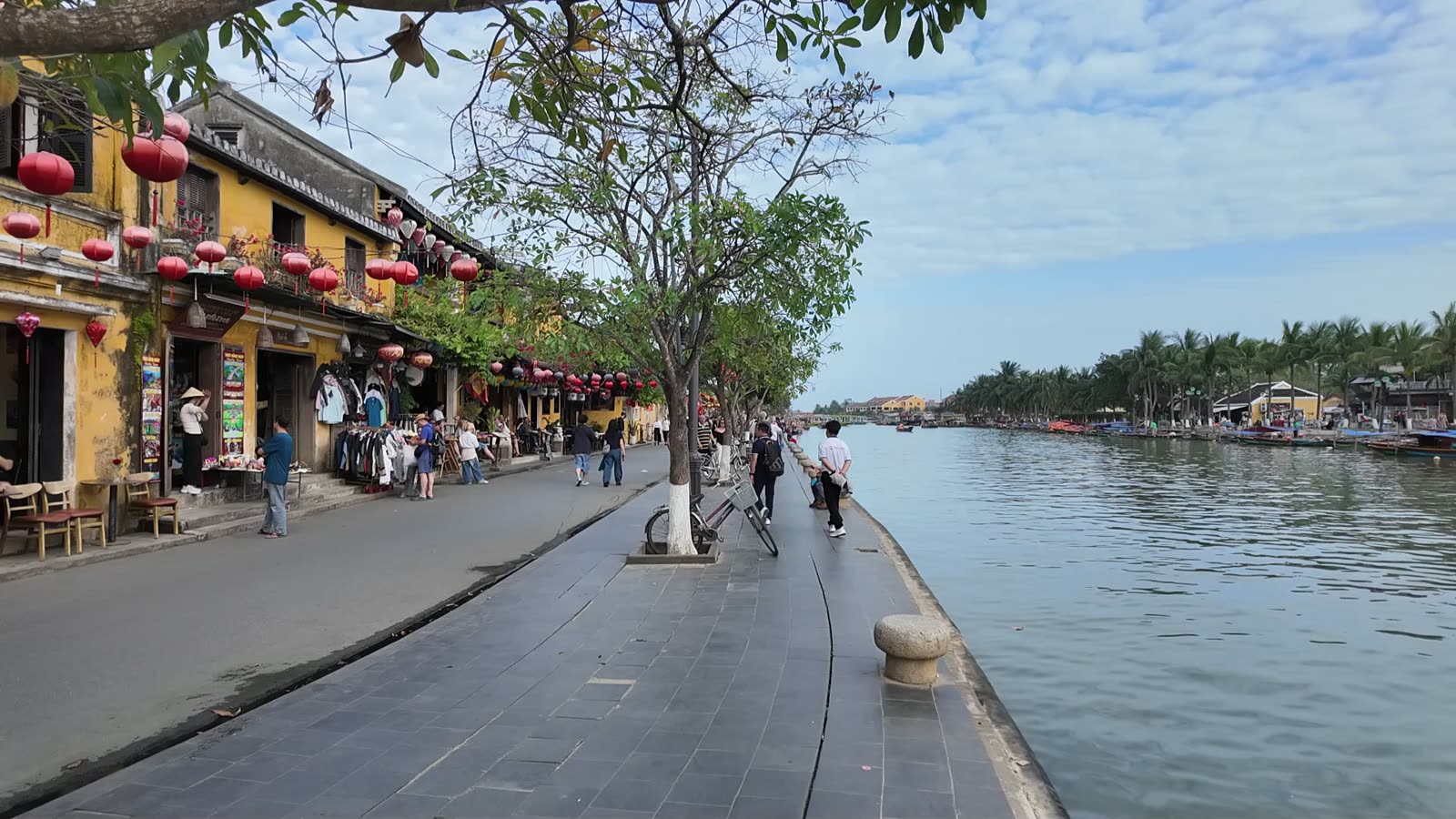
Hoi An is the town people picture when they picture central Vietnam: yellow walls, tiled roofs, a river, lanterns. It is also small, busy at the wrong hours, hot at midday and, in the autumn, sometimes under water. None of that makes it less worth seeing. It just means the visit goes better if you know how the town works before you arrive.
This page is the overview. It tells you what we know, points you to the detailed guide for each part, and says plainly where published information disagrees. Every figure on it carries a source and the date we checked it.
- What Hoi An actually is
- The numbers, with sources
- How long to stay
- Getting there
- The old town ticket, briefly
- Shaping a day around the heat
- The Japanese Covered Bridge
- The river, the coconut forest and the evening
- Eating
- Half a day beyond the town
- Weather and floods
- Walking, money and sellers
- Every Hoi An guide on this site
- Common questions
What Hoi An actually is
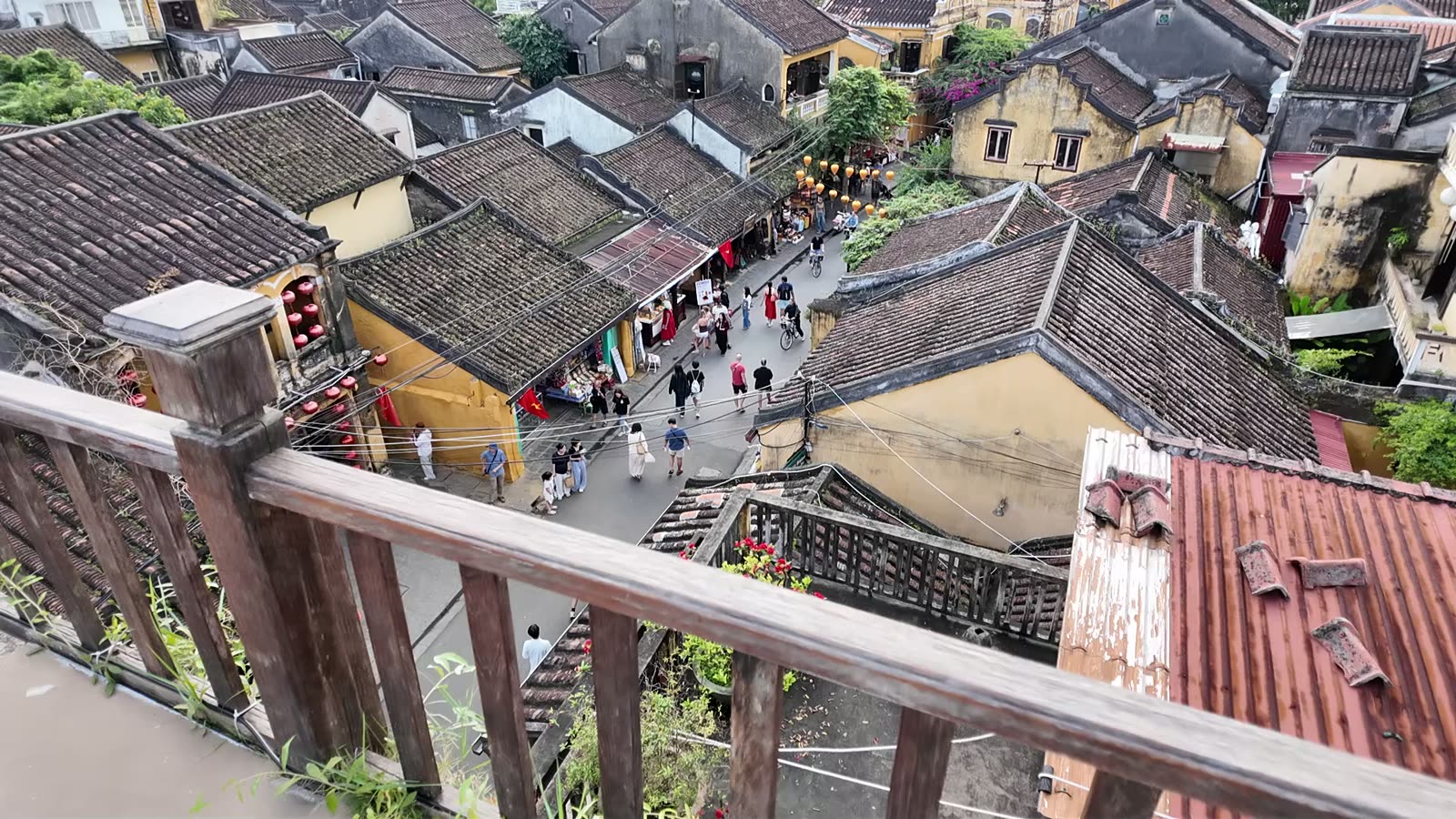
Hoi An was a trading port. For several centuries ships came up the Thu Bon river from Japan, China and later Europe, and merchant communities settled here and built in their own styles: Chinese assembly halls, Japanese-influenced bridges, Vietnamese timber shophouses, French-era fronts. When trade moved elsewhere the town was left largely as it was, which is why it survived.
UNESCO inscribed Hoi An Ancient Town on the World Heritage List in 1999, describing it as a well-preserved example of a South-East Asian trading port from the 15th to the 19th century. That last part is the useful one for a visitor. You are not walking through a museum. You are walking through a working town whose buildings happen to be several hundred years old, many of them still lived in, sold from and cooked in.
One administrative note, because you will see it on official websites: since Vietnam’s 2025 provincial reorganisation, Hoi An is part of Da Nang city rather than the old Quang Nam province. Nothing changes for a visitor except that the official heritage pages now sit on Da Nang government web addresses.
The numbers, with sources
Hoi An Ancient Town at a glance
| UNESCO World Heritage inscription | 1999 |
| Old town ticket, two price levels | 80,000₫ · 120,000₫ |
| Ticket validity, per the heritage board | your stay, up to 3 days |
| “Walking and cycling town” hours, summer | 09:00 – 21:30 |
| “Walking and cycling town” hours, winter | 09:00 – 21:00 |
| Japanese Covered Bridge reopened after restoration | 3 August 2024 |
Sources: UNESCO World Heritage Centre, site 948 (the page refused our automated reader, so the year and description are taken from UNESCO’s own search listing and confirmed against Wikipedia); Hoi An heritage management board notice dated 29 January 2026 (ticket levels, validity, “walking and cycling town” hours; it does not say on which dates summer and winter hours change); Da Nang city tourism portal, 2026 admission list (dated 22 January 2026); VnExpress, 3 August 2024 (bridge reopening). All checked 12 November 2026. Prices change without notice; the booth is the authority on the day.
At the exchange rate the rest of this site uses (about 26,170 dong to the US dollar, Vietcombank, 3 October 2026), the two ticket levels come to roughly three and four and a half dollars.
How long to stay
Day trips from Da Nang are common and they miss the best of the town, because the best of the town is the late afternoon and the late evening, and a day tripper is usually heading back to the car just as it begins. Our view, as an editorial judgement rather than a measurement:
- One night is the minimum that lets you see the town at four o’clock, at dusk and after half past nine.
- Two nights gives you one unhurried day: the coconut forest or My Son in the morning, nothing in the middle of the day, the old town again in the evening.
- Three or more suits people who want a beach, a cookery class or clothes made, and who like a slow pace.
If you are deciding between sleeping in Da Nang or in Hoi An, the short version is that Hoi An rewards being close at night and Da Nang is easier for the airport. Our three days in Da Nang and Hoi An shows one way to split it.
Getting there
Hoi An has no airport and no railway station. Almost everyone comes by road from Da Nang, a flat coastal drive of roughly forty to fifty minutes. The options, the reason we do not print fares, and the shopping stop that can turn forty minutes into two hours are all in Da Nang to Hoi An: every way to get there.
The heritage board runs the old town as a “walking and cycling town” during the hours above, so expect your driver to drop you at the edge rather than at your door. Agree the exact pick-up corner before you get out, especially for the trip back at night.
The old town ticket, briefly
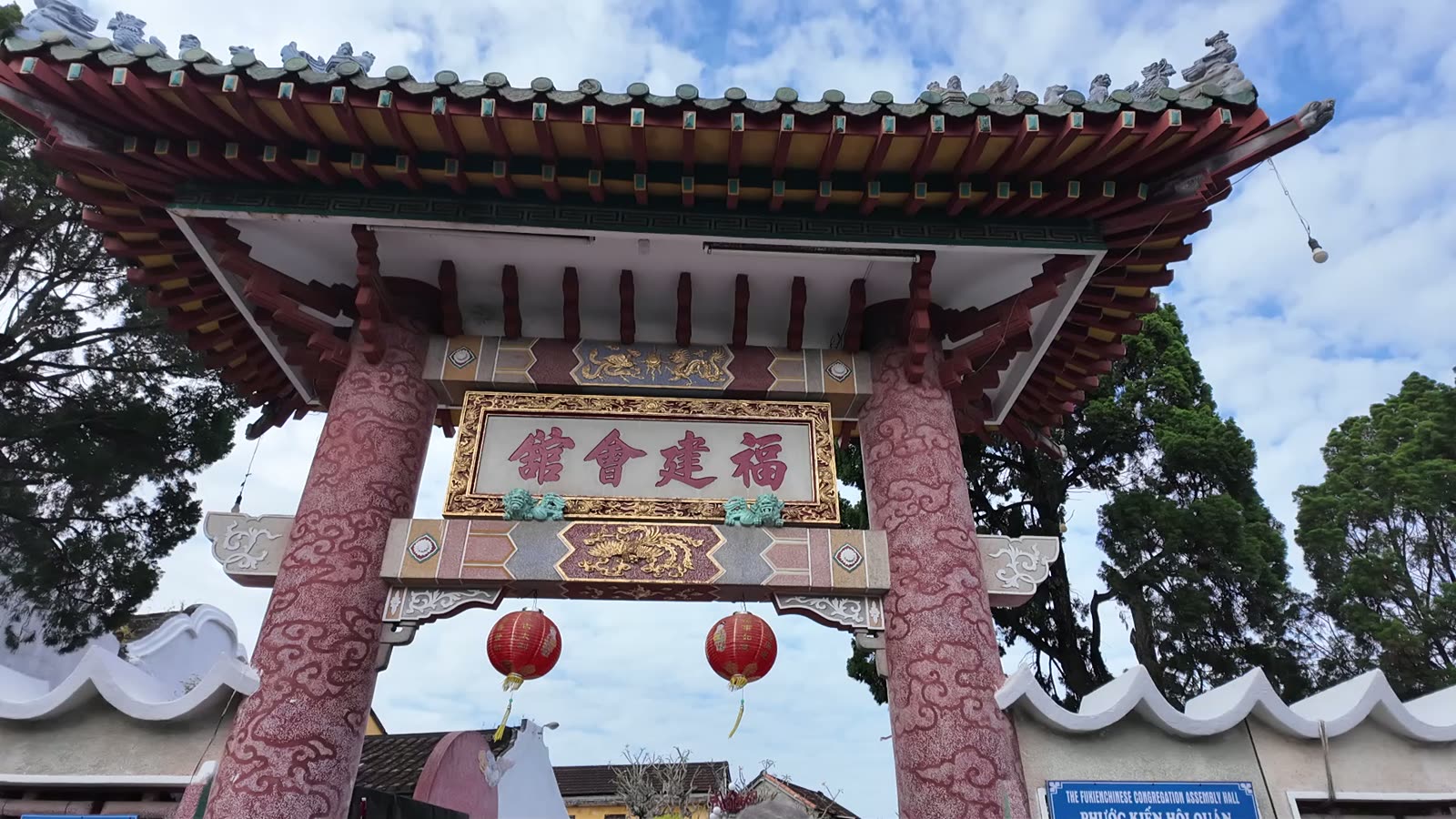
You need a ticket to go inside the listed heritage buildings: the assembly halls, old merchant houses, museums and the Japanese Covered Bridge. The heritage board’s notice says visitors should buy one before entering the ancient town and that it is valid for your stay, up to three days.
Here is the honest complication. Two official sources published a week apart in January 2026 describe the two price levels differently. The city tourism portal lists 80,000₫ as the Vietnamese price and 120,000₫ as the international price. The heritage board’s own notice describes them instead by what they include, with the dearer ticket adding the museums and more sites. Older guides, including some still ranking in search results, describe a different arrangement again.
We are not going to settle that from a desk. Our detailed page, the Hoi An old town ticket explained, sets out how to choose your sites and when the ticket is checked, and we are re-checking its details against the January 2026 notice with the ticket office. Until then: buy at an official booth, ask the seller which sites your ticket covers, and keep it with you.
Shaping a day around the heat
The single most useful piece of advice we can give for Hoi An is about the clock, not the map.
- Morning: anything outside the town. The coconut forest, My Son, a cycle through the rice fields. Go early, before the heat.
- Middle of the day: nothing. Lunch, the hotel, the pool. The old town at one o’clock is hot, bright and at its most crowded with day trips.
- From about four: the old town. The heat has gone, the light turns golden, and the heritage buildings are still open, so this is when to use your ticket.
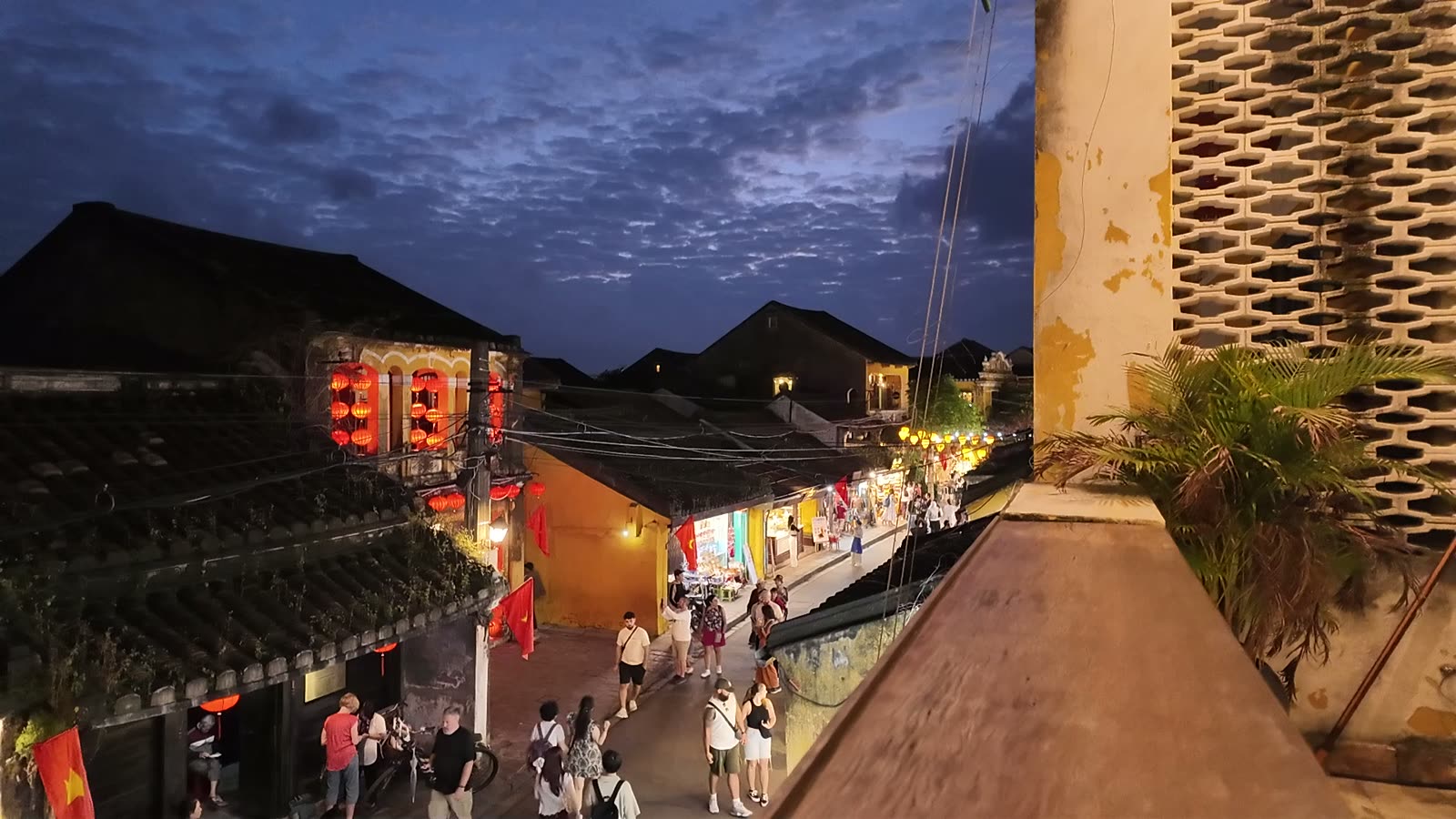
- Dusk: be by the river when the lanterns come on.
- After about half past nine: the crowd thins and the town is at its best.
The evening half of that plan is set out hour by hour in Hoi An at night.
The Japanese Covered Bridge
The small roofed bridge at the west end of the old town is the emblem of Hoi An. Accounts date it to the late 16th or early 17th century, and there is a small shrine inside. It was taken apart and restored between late 2022 and the summer of 2024, reopening on 3 August 2024 after about nineteen months of work, according to VnExpress. Its newly restored look caused a public argument in Vietnam at the time, so if it looks brighter than the photographs you have seen, that is why.
It is short and almost always crowded. Cross it once, then step back to one of the corners nearby to look at it properly.
The river, the coconut forest and the evening
Hoi An sits on water and two of its best experiences are on it.
The coconut forest. A few kilometres east of town, round basket boats take you through channels of nipa palm. Part of it has become loud and theatrical; the quiet channels cost the same. Prices, the two questions to ask and who should skip it are in the Hoi An basket boat ride.
The river at night. Small wooden boats take passengers out on the Thu Bon after dark. The price is negotiated at the steps, so we do not print one; how to agree it is in Hoi An at night.

Eating
Four dishes are worth coming for because they are hard to find done properly anywhere else: cao lau, banh mi, white rose dumplings and com ga, the local chicken rice. What each one is, how to order it and how to eat carefully if your stomach is not what it was are in what to eat in Hoi An. We do not publish a restaurant list, for the reason given there.
Half a day beyond the town
- My Son Sanctuary. Ruined Cham temple towers in a forested valley, a separate UNESCO site about 35 km away. Go at opening time. Tickets, timing and the walking are in My Son from Hoi An.
- The Marble Mountains. On the road from Da Nang, best done on the way in. Caves, a working pagoda and a lift that removes only the first staircase: the Marble Mountains guide. The stone-carving village at their foot is a short stop on the same morning.
- Hue. A long day trip north, worth it if history is the reason you came: Hue from Da Nang.
Weather and floods
The river that made Hoi An also floods it. In most years, in the autumn, the streets nearest the water go under for a time and boats move through them. October and November are the months to be careful with. The rainfall data, the month-by-month trade-offs and what we found in January are in the best time to visit Da Nang and Hoi An, and what to bring for each season is in what to pack for central Vietnam.
Walking, money and sellers
The old town is flat, which is good news. The surfaces are not always even, kerbs are high, and the busiest streets are narrow and crowded in the evening. If walking is the thing that decides whether you enjoy a trip, read how much walking there really is.
Small shops, street food and the river boats are cash. Which notes to carry, and the two that look alike, are in money in Vietnam. Tipping is optional and modest: tipping in Vietnam. Sellers in the old town can be persistent but are rarely more than that; the documented problems and how to avoid them are in tourist scams in Da Nang and Hoi An.
Every Hoi An guide on this site
- The Hoi An old town ticket explained — which sites to spend it on and when it is checked.
- Hoi An at night — the lanterns, the river boat and the quiet half of town.
- The Hoi An basket boat ride — the loud version, the quiet version and the price.
- What to eat in Hoi An — four dishes and how to eat carefully.
- My Son Sanctuary from Hoi An — tickets, timing and walking.
- Da Nang to Hoi An — every way to get there.
- 3 days in Da Nang and Hoi An — the day-by-day plan this page fits into.
New Hoi An guides will be added to this list as they are published. Everything else on the site is in Vietnam travel guides, and if you are at the very beginning of planning, start here.
Common questions
Is Hoi An worth visiting?
Yes. UNESCO, which inscribed it as a World Heritage Site in 1999, describes it as a well-preserved South-East Asian trading port of the 15th to 19th centuries. It is also small and crowded at midday, so it is worth most if you stay at least one night and see it in the late afternoon and late evening.
How many days do you need in Hoi An?
One night is the minimum that lets you see the town at its best hours. Two nights gives you one unhurried day for the coconut forest or My Son in the morning and the old town again in the evening.
How much is the Hoi An old town ticket?
Official sources checked on 12 November 2026 show two price levels, 80,000 and 120,000 dong. They describe the difference between them in different ways, so ask at the official booth which sites your ticket covers. Our separate ticket guide explains how to choose your sites.
Are cars allowed in Hoi An old town?
The heritage board’s January 2026 notice sets “walking and cycling town” hours for the ancient town of 09:00 to 21:30 in summer and 09:00 to 21:00 in winter, checked 12 November 2026. Expect your driver to drop you at the edge, and agree a pick-up corner in advance.
When is the best time of day to visit Hoi An old town?
From about four in the afternoon, when the heat has gone and the heritage buildings are still open, through dusk when the lanterns come on, and again after about half past nine when the crowd thins.
Does Hoi An flood?
Yes, in most years, in the autumn. The streets nearest the river can go under for a time, with October and November the months to be careful with. Check the forecast and your hotel’s location if you travel then.
Planning this trip yourself?
Ask us anything about the route, the pace or the timing. It goes straight to the office in Da Nang, not to a call centre — and if we are not the right company for your trip, we will tell you that too.



Mai Tiến Tần
Founder, Vietking Travel · Licensed international tour operator No. 01-1082/2018 · Company registered in Vietnam, 2011
Everything here is written from Da Nang, after walking the route. Prices carry the date they were checked. Where we do not have a figure we can stand behind, we say so rather than guess.