
Start here
Planning Vietnam After 45: Six Things to Settle First
Most Vietnam planning advice is written for somebody in their twenties with a backpack and six weeks. The decisions are different when you have two weeks of leave, a knee that complains, and no interest in a fourteen-hour sleeper bus.
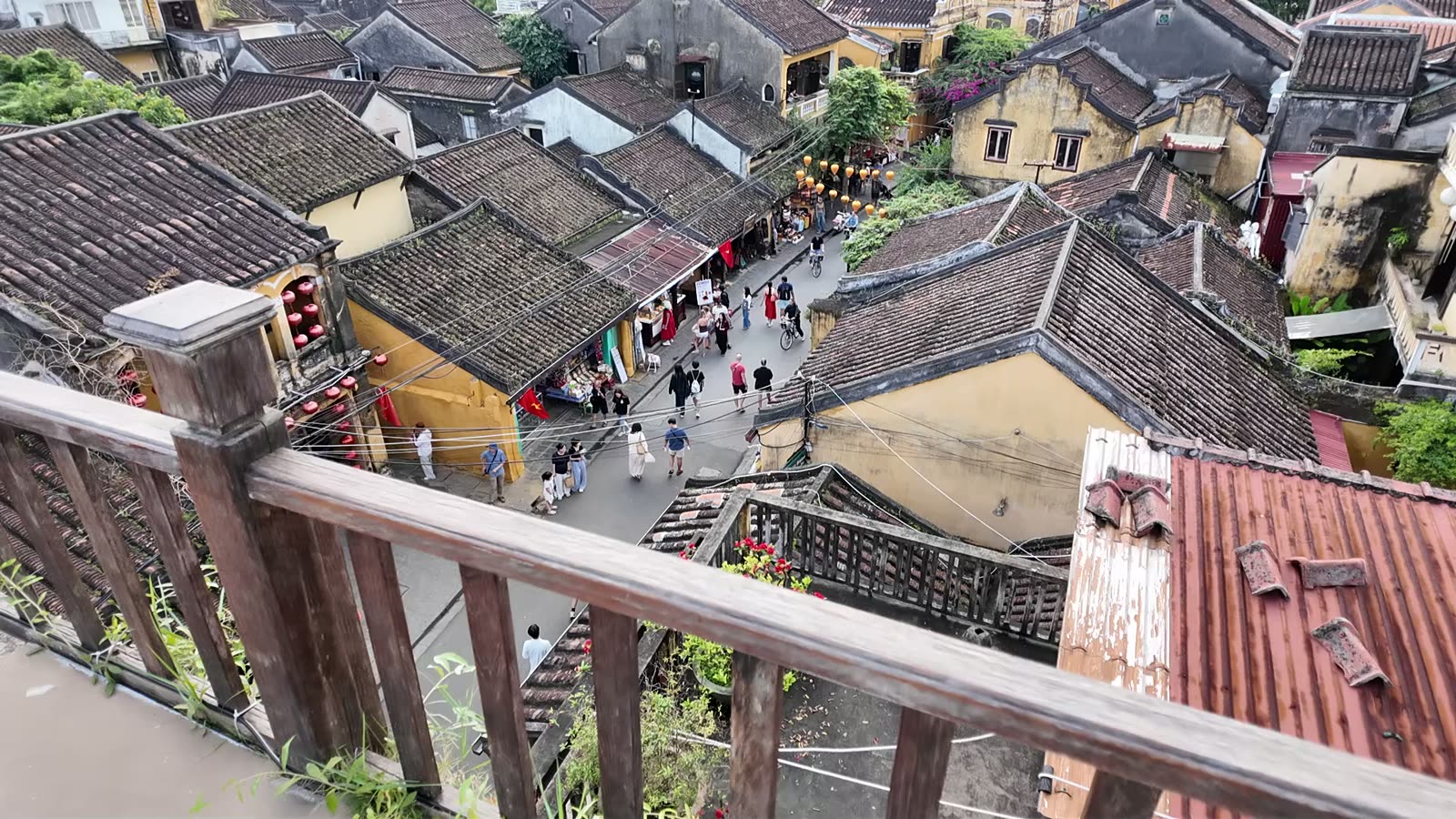
These are the six questions that actually change the shape of a trip. Settle them and the rest is detail.
1. How much walking is there, really?
This is the question that decides whether people over fifty-five enjoy Vietnam or endure it, and it is almost never answered honestly on tour websites.
The walking that catches people out is not the famous climbs. It is the ordinary business of getting down a street. Travellers write about it constantly on the forums — cluttered pavements, stools and tables and parked motorbikes, and stepping into the road again and again to get around them.
Both of those are real, and both are solvable — but only if somebody planned for them. In practice that means three things: hotels chosen inside the old quarters so you walk less to begin with, a car that meets you rather than a walk to a pickup point, and a day with a sit-down in the middle rather than at the end.
How far do we walk on the longest day, and what is the ground like? If they cannot answer, they have not measured it. We go through all four of the factors that matter in how much walking is there really on a Vietnam trip, and site by site in the Marble Mountains guide.
2. How long do I need?
Vietnam is roughly a thousand miles from top to bottom. That single fact decides most itineraries.
- 3 days: one city and its surroundings. The centre works best — see our three days in Da Nang and Hoi An.
- 7–8 days: one region, properly. The centre is the best choice, because three very different places sit within two hours of each other.
- 10–11 days: two regions, with one internal flight. North and centre, or centre and south.
- 13–14 days: north, centre and south without rushing. The length most couples are happiest with, and the one we build around.
- Three weeks: add the far north or the islands, and slow everything down.
A ten-day trip with four regions in it. You will spend a third of your holiday in transit and remember airports.
3. Do I need a tour at all?
Honest answer from somebody who sells them: often, no.
Independent travel in Vietnam works well. Ride-hailing apps work in the cities, domestic flights are cheap and frequent, and plenty of people have a wonderful two weeks here with nothing booked but hotels.
There are three situations where it tends to go wrong:
- When the days have to connect. Moving six times in thirteen days, with two internal flights and a boat, is where self-planned trips lose whole days.
- When somebody in the party has a mobility limit. Not a wheelchair necessarily — just stairs being hard. That requires knowing which specific hotels and which specific boats work, and that information is not online.
- When something goes wrong. A cancelled flight at six in the morning in a country where you do not speak the language is the moment people wish they had one phone number.
If none of those apply to you, plan it yourself and use this site for the detail. We would rather be useful than oversold.
4. When should I go?
Vietnam does not have one climate — it has several, and they do not line up. The north has a cool, damp winter. The centre has a distinct rainy season in autumn. The south is warm year-round with afternoon rain in the wet months.
So there is no single best month for the whole country. There is a best month for your route. The usual compromise for a north-to-south trip is February to April, when the north has warmed up and the centre has dried out.
For the centre specifically, with the measured rainfall data behind it, see the best time to visit Da Nang and Hoi An.
5. What will it actually cost on the ground?
Vietnam is inexpensive, and that is genuinely one of the pleasures of it. Day-to-day costs are small enough that most people stop converting in their head after about three days.
A few real prices, checked 27 October 2026
| Marble Mountains entry, Da Nang | 40,000₫ |
| Marble Mountains lift, one way | 15,000₫ |
| Hoi An old town ticket, 5 heritage sites | 120,000₫ |
| Bay Mau coconut forest entry | 30,000₫ |
| Basket boat, 2 people, 45 minutes | 150,000₫ |
Source: Da Nang city tourism portal and on-site boards, checked 27 October 2026. Prices change; the date is here so you know how old this is.
What is not cheap is anything bought at the last minute through a hotel desk, and anything involving a boat you did not research. How to carry and handle the cash is in money in Vietnam.
6. How do I know who to trust?
This is the one Americans ask each other about most, and the advice circulating on the forums is good: before you send money to a Vietnamese company, ask for a scan of their tour operator licence and their business registration, and check the government register.
Any legitimate operator will send both without hesitating. We publish ours and tell you how to check it.
See our licence and how to verify it →
Where to go next
- All twenty guides in one place — Da Nang, Hoi An, money, visas, health, pace and weather
- Vietnam e-visa for US citizens — the official site, the fee and the dates
- Two weeks in Vietnam — a comfortable first-trip itinerary
- Health and travel insurance over 50 — what the CDC and Medicare publish
- 3 days in Da Nang and Hoi An — a plan you can copy
- Who writes this site — and how to check every claim on it
Planning this trip yourself?
Ask us anything about the route, the pace or the timing. It goes straight to the office in Da Nang, not to a call centre — and if we are not the right company for your trip, we will tell you that too.