
Hoi An
2 Days in Hoi An: The Plan That Uses the Evenings Properly
Two nights in Hoi An means two evenings, and the evenings are the point. This plan sends the mornings out of town, gives the middle of each day to rest, and saves the old town for the late afternoon and the night, twice.
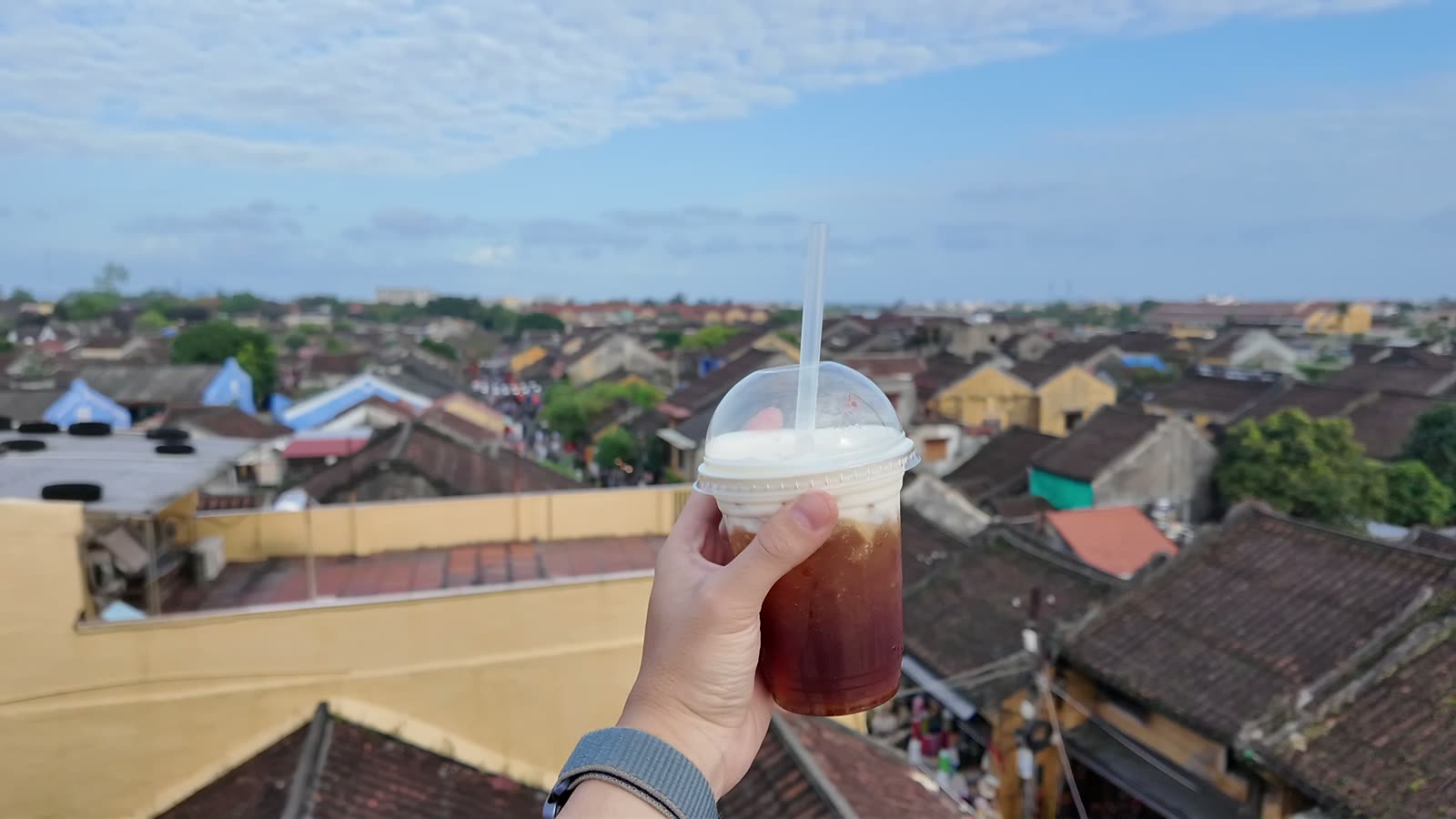
Most two-day plans for Hoi An are one-day plans stretched to fit: the same list of sights, spread more thinly, with the evenings left as an afterthought. That gets the town the wrong way round. Hoi An is at its weakest at one o’clock in the afternoon and at its best after dark, and the whole point of sleeping here two nights is that you get two evenings.
So this plan is built backwards from the evenings. The mornings go outside the town, the middle of each day goes to rest, and the old town gets the late afternoon and the night, twice. Every time and price on this page carries a source and the date we checked it.
The shape of the two days
There is one rule underneath everything below, and it comes from nearly 20 years of running tours in this town rather than from any timetable: the old town gets the hours after four o’clock, and nothing gets the hours around midday.
- Mornings: outside the old town, while it is cool. The coconut forest, My Son, or simply a slow breakfast.
- The middle of the day: lunch, the hotel, the pool. Hoi An at one o’clock is hot, bright and full of day trips from Da Nang.
- From about four: the old town, while the ticketed buildings are still open.
- Dusk and after: the river, the lanterns, dinner, and the late walk when the crowd has gone.
If you have read our Hoi An travel guide, this is the same rhythm, laid out across two real days.
The numbers that shape the plan
Hoi An old town: times and prices for planning
| Old town ticket, two price levels | 80,000₫ · 120,000₫ |
| Ticket validity, per the heritage board | your stay, up to 3 days |
| Hours listed for the ancient town on the city’s 2026 admission list | 08:00 – 17:00 |
| “Walking and cycling town” hours, summer | 09:00 – 21:30 |
| “Walking and cycling town” hours, winter | 09:00 – 21:00 |
| Traditional art performance, 66 Bach Dang Street, for ticket holders | 10:15 · 15:15 · 16:15 |
| Cam Thanh (Bay Mau) coconut forest, entry | 30,000₫ |
Sources: Hoi An heritage management board notice dated 29 January 2026 (ticket levels, validity, “walking and cycling town” hours, performance times; it does not say on which dates summer and winter hours change); Da Nang city tourism portal, 2026 admission list (dated 22 January 2026; ancient town hours, coconut forest entry; the portal says its prices are for reference only). All checked 12 November 2026. Dollar figures below use the rate printed across this site: about 26,170₫ to the US dollar, Vietcombank, 3 October 2026. Prices and times change without notice; the ticket booth is the authority on the day.
Two things in that table decide the plan. The ticket lasts your whole stay, so you never need to cram the heritage buildings into one afternoon. And the listed hours for the ticketed sites end in the late afternoon, while the “walking and cycling” hours, when cars and motorbikes are kept out, run well into the evening. The town is open to walk long after its interiors close. Individual houses and halls keep their own hours, so treat five o’clock as the safe deadline for going inside anything.
At that exchange rate, the two ticket levels are roughly three and four and a half dollars, and the coconut forest entry a little over a dollar.
Day 1: arrive, rest, then the first evening
How long the drive from Da Nang takes depends on what you get into; the options are in Da Nang to Hoi An. Aim to arrive around lunchtime, not first thing. A morning arrival only gives you the hottest hours in the busiest streets with your luggage still in the car.
- Late morning to early afternoon: arrive, eat, check in. Hotels here usually hand over rooms in the afternoon, so ask in advance for an early check-in if you are coming off a long flight. Then do nothing for two hours. It is not wasted time; it is what makes the evening possible.
- About half past three: walk or take a car to the edge of the old town. Buy your ticket at an official booth and ask the seller which sites it covers.
- Half past three to five: two heritage buildings, no more. One assembly hall and one old merchant house make a good pair, because they show you the two halves of the town’s story: the Chinese trading communities and the Vietnamese families who lived above their shops. Which ones to choose is in the Hoi An old town ticket explained.
- Five o’clock: the riverfront. The heat has gone and the light turns gold on the yellow walls. This is the hour to walk the length of the river road slowly.
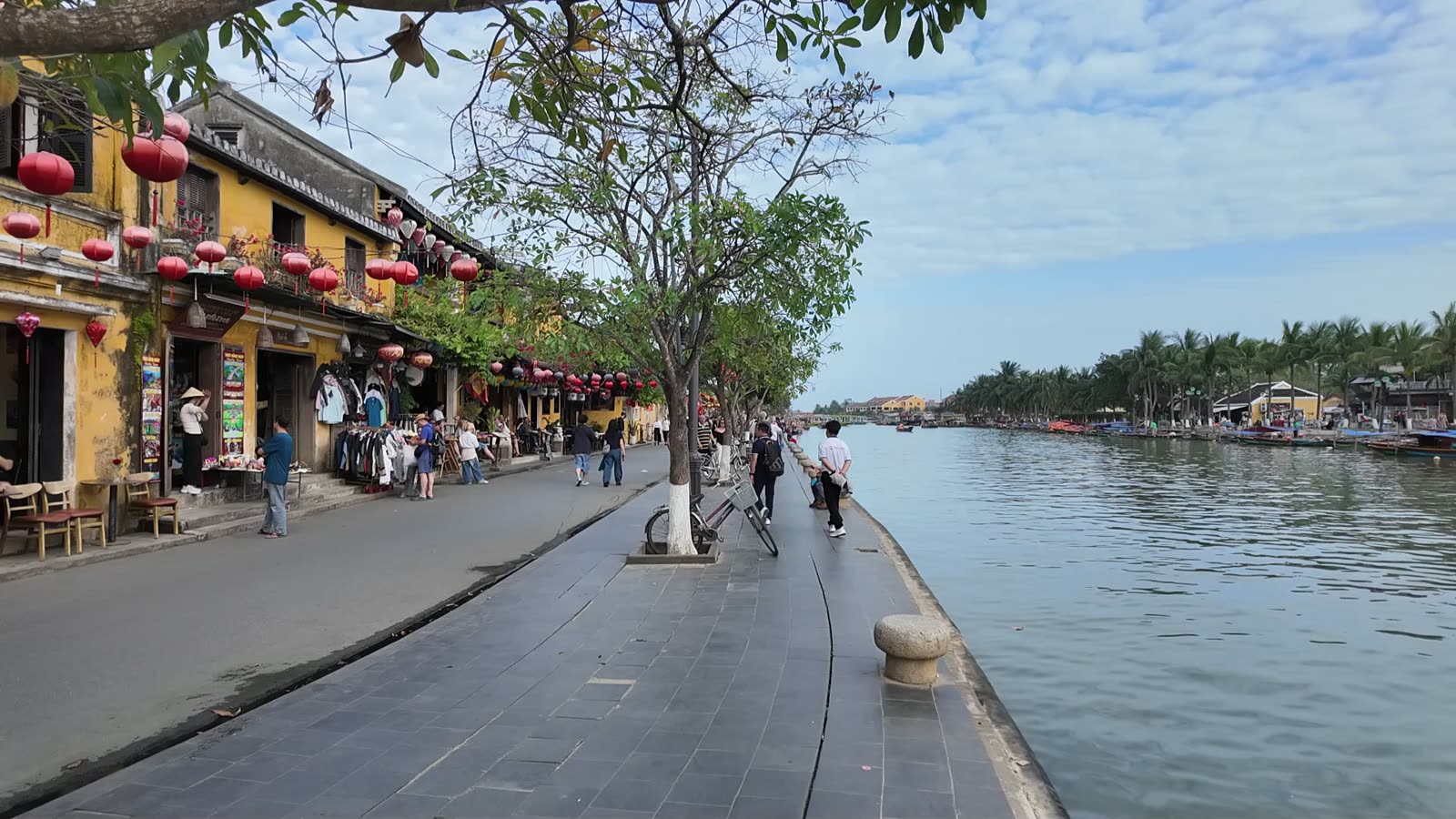
- Dusk: be somewhere you can see the lanterns come on. The short window when the lanterns are lit and the sky is still blue is the one people photograph. The best place to stand for it is across the river, looking back; we explain exactly where in Hoi An at night. Check the sunset time for your dates on your phone the day before, because it moves noticeably between winter and summer.
- Early evening: dinner, ideally on the second street back from the river rather than on the waterfront itself. The dishes worth ordering are in what to eat in Hoi An.
- Peak hours: if you want the river boat and the floating candle, this is when the boats are running. Agree the price, the length of the ride and the number of people before you step in.
- After about half past nine: the walk back. The day trippers have gone, the lanterns are still lit, and the same streets that were shoulder to shoulder an hour earlier are quiet. On the first night, this is the part to protect.

Day 2: the river in the morning, the old town again at night
The second day is the reason to stay two nights. You have a whole cool morning, and an evening on which you already know the town.
Morning, pick one:
- The coconut forest. A short drive east of town, round basket boats take you through channels of nipa palm. Go early. Part of it has turned loud and theatrical, the quiet channels cost the same, and the two questions to ask before paying are in the Hoi An basket boat ride.
- My Son Sanctuary. Ruined Cham temple towers in a forested valley inland, a separate UNESCO site. It needs an early start and a fair amount of walking on uneven ground: My Son from Hoi An.
- Nothing at all. A long breakfast and a swim is a perfectly good use of a Hoi An morning, especially if day 1 ran late.

Back by late morning. Lunch, then the hotel again through the hottest hours.
Mid-afternoon: the rest of your ticket. If you would like to sit down for part of it, the heritage board’s notice lists a traditional art performance for ticket holders at 66 Bach Dang Street at 15:15 and 16:15, which is a pleasant way to spend half an hour out of the sun. Then one more building, and the Japanese Covered Bridge, which is at its best looked at from a few steps away rather than from inside the crowd on it.
Late afternoon: this is the moment for anything you meant to buy or have made. Shops are open, the light is good, and you will not be carrying it around for a whole day.
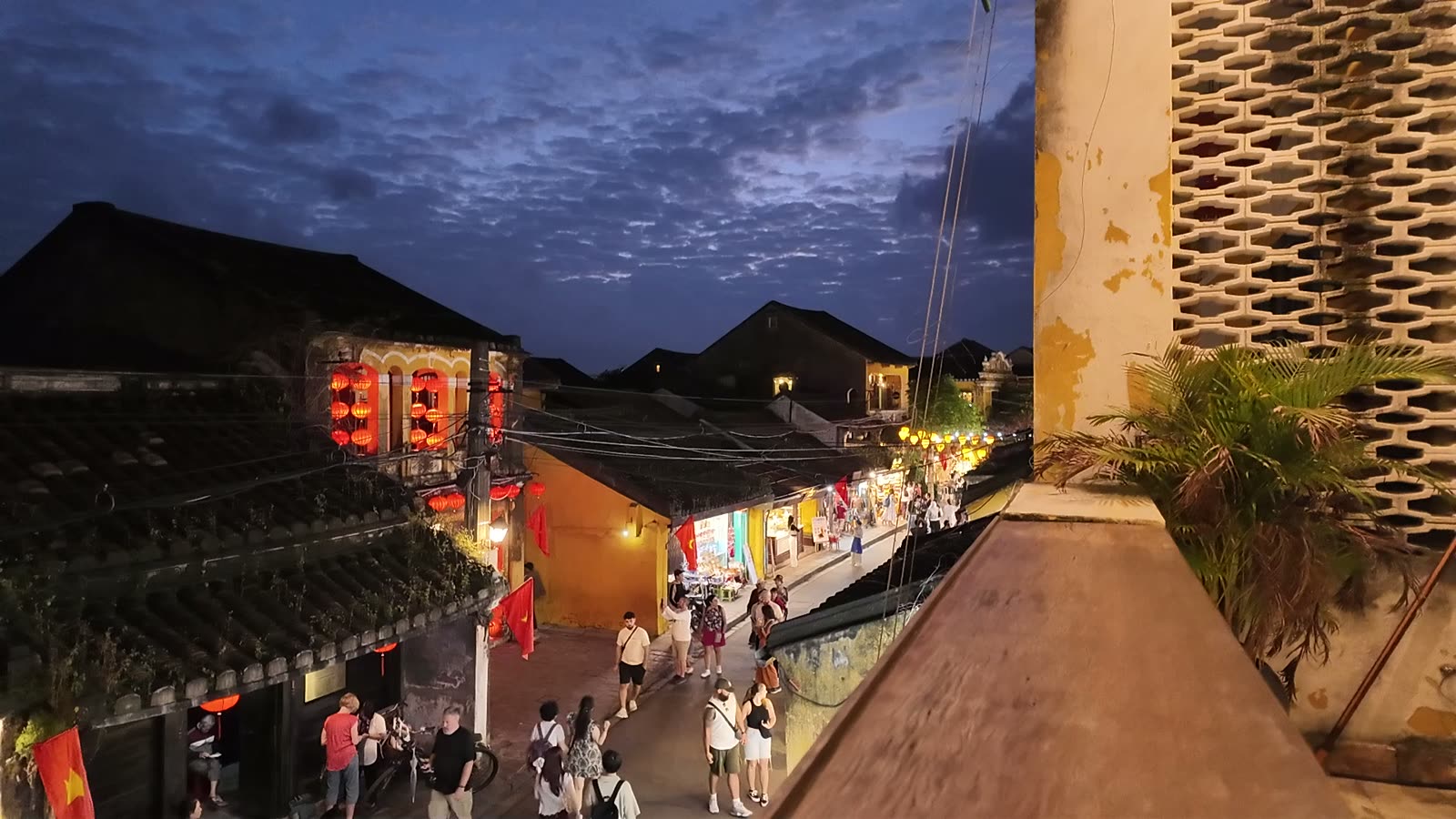
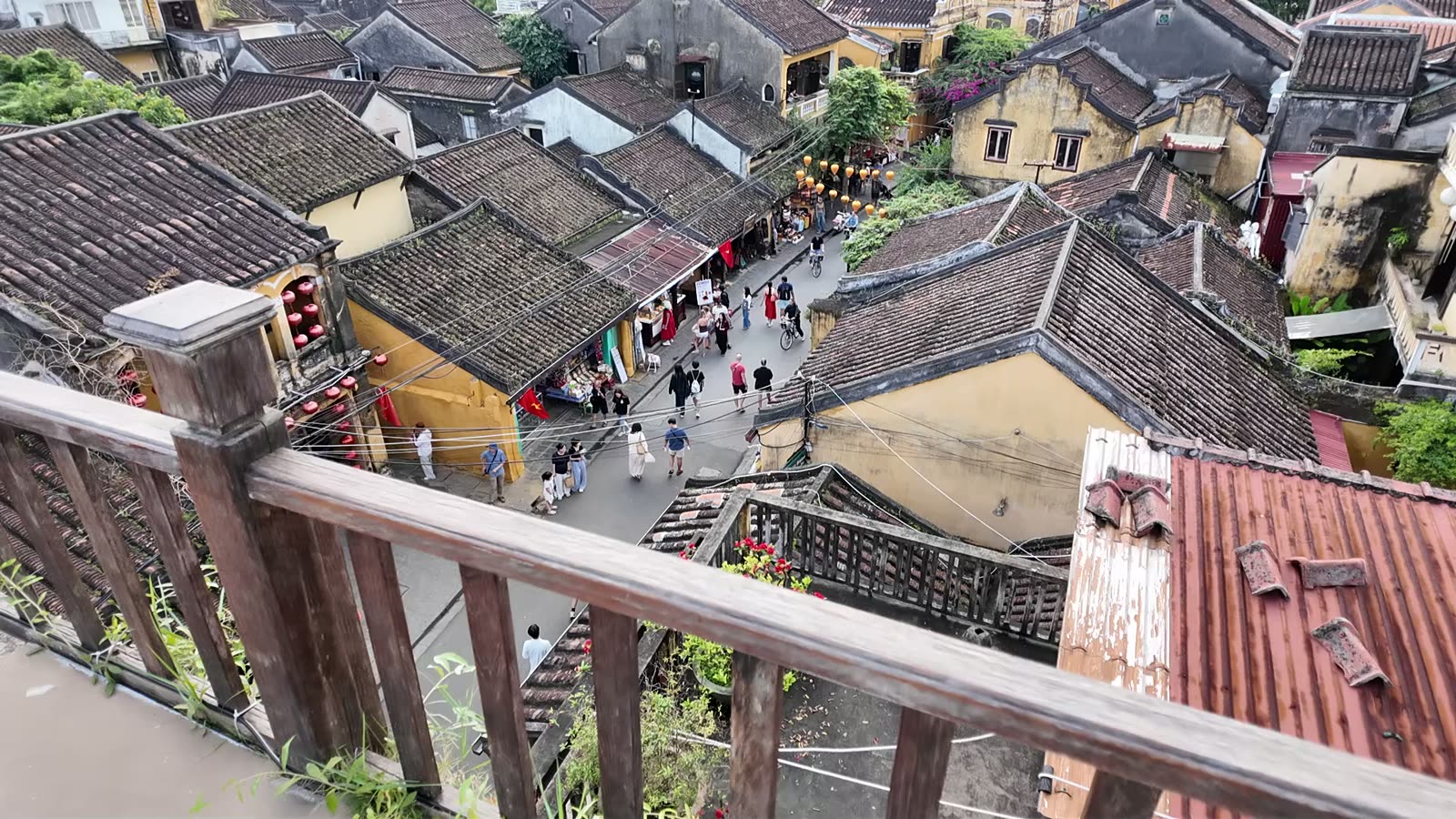
The second evening: do it differently from the first. Cross to the far bank for dinner, where tables sit by the water with a fraction of the crowd, or find a rooftop and watch the lanterns from above. The heritage board’s notice also mentions “Night Town” activities for ticket holders, such as bai choi games and folk singing; it does not list times, so ask at the booth. Then the late walk once more. People who stay two nights tend to say the second late walk is the one they remember.
During the “walking and cycling town” hours your driver drops you at the edge of the old town, not at the door. Agree the exact pick-up corner before you get out, on both evenings. At half past nine at night, in a crowd, “near the bridge” is not specific enough.
One ticket for both days
The heritage board’s notice says the ticket is valid for your stay, up to three days, and that you should keep it to re-enter the ancient town after you have used the sites it covers. On a two-day plan that means one ticket, split between two afternoons, kept in a pocket the whole time.
What each price level includes is where official sources disagree. The city tourism portal describes 80,000₫ and 120,000₫ as the Vietnamese and international prices; the heritage board’s own notice describes them by which sites they include. We are not going to settle that from a desk, and we do not print a site count until the ticket office confirms it. Our ticket explainer sets out how to choose and when tickets are checked. In practice the ticket matters for going inside buildings in the daytime; it does not buy you anything after dark.
If the heat, the rain or your knees change the plan
- Hot months: keep the shape and shift everything later. Interiors at four rather than half past three, and an even longer rest in the middle of the day.
- October and November: the streets nearest the river can flood in most years. Choose a hotel away from the riverbank, keep day 2’s morning flexible, and read the best time to visit before you book.
- Rain: the heritage buildings become the best part of the day rather than an extra. The covered bridge and the assembly halls are dry.
- Knees, hips or a long walk: the old town is flat, but the surfaces are uneven, kerbs are high and the evening streets are crowded. Use a car to the edge of the old town both ways rather than walking from the hotel, and skip My Son in favour of the coconut forest, where you sit down. How much walking to expect is in how much walking there really is.
What we would leave out
A two-day plan works because of what it leaves out. Our editorial view, not a ranking:
- A beach day, unless the beach is the reason you came. It costs a whole morning and a whole midday, and Da Nang’s beaches are better for it anyway. Where to sleep if you want both is in Da Nang or Hoi An.
- A third heritage building on the same afternoon. By the third assembly hall most people have stopped looking.
- Leaving for Da Nang at dinner time. If you only take one thing from this page, it is that the hour after half past nine is part of the visit.
If you are fitting Hoi An into a longer stay in central Vietnam, our three days in Da Nang and Hoi An shows how these two Hoi An days sit next to a Da Nang day.
Common questions
Is 2 days enough for Hoi An?
Yes, for most first-time visitors. Two nights give you two evenings in the old town, which is when it is at its best, plus one full cool morning for the coconut forest or My Son. Stay longer if you want a beach, a cookery class or clothes made.
Do I need a new old town ticket on the second day?
No. The heritage board’s notice dated 29 January 2026, checked 12 November 2026, says the ticket is valid for your stay in Hoi An, up to three days. Keep it with you to re-enter the ancient town.
What time do the heritage buildings in Hoi An close?
The Da Nang city tourism portal’s 2026 admission list gives 08:00 to 17:00 for the ancient town, checked 12 November 2026. Individual buildings keep their own hours, so plan to go inside anything before about five o’clock.
When are cars kept out of Hoi An old town?
The heritage board’s January 2026 notice sets “walking and cycling town” hours of 09:00 to 21:30 in summer and 09:00 to 21:00 in winter, checked 12 November 2026. Your driver will drop you at the edge, so agree a pick-up corner in advance.
Should I do the coconut forest or My Son on a 2-day trip?
Do one, on the morning of the second day. The coconut forest is shorter and you sit down for most of it. My Son is a larger outing with more walking on uneven ground and needs an early start.
Is Hoi An better as a day trip from Da Nang?
Only if you have no choice. Day trips usually leave before the lanterns come on and miss the late evening, which is the best part of the town. Even one night changes the visit; two nights let you see it properly.
Planning this trip yourself?
Ask us anything about the route, the pace or the timing. It goes straight to the office in Da Nang, not to a call centre — and if we are not the right company for your trip, we will tell you that too.


Mai Tiến Tần
Founder, Vietking Travel · Licensed international tour operator No. 01-1082/2018 · Company registered in Vietnam, 2011
Everything here is written from Da Nang, after walking the route. Prices carry the date they were checked. Where we do not have a figure we can stand behind, we say so rather than guess.