
Hoi An
Having Clothes Made in Hoi An: Two Questions Before You Choose a Tailor
Most disappointments with Hoi An tailoring come from the timing, not the shop. Two questions sort out the timing before you choose. After that come the smaller checks on fabric, the order slip and getting it home.
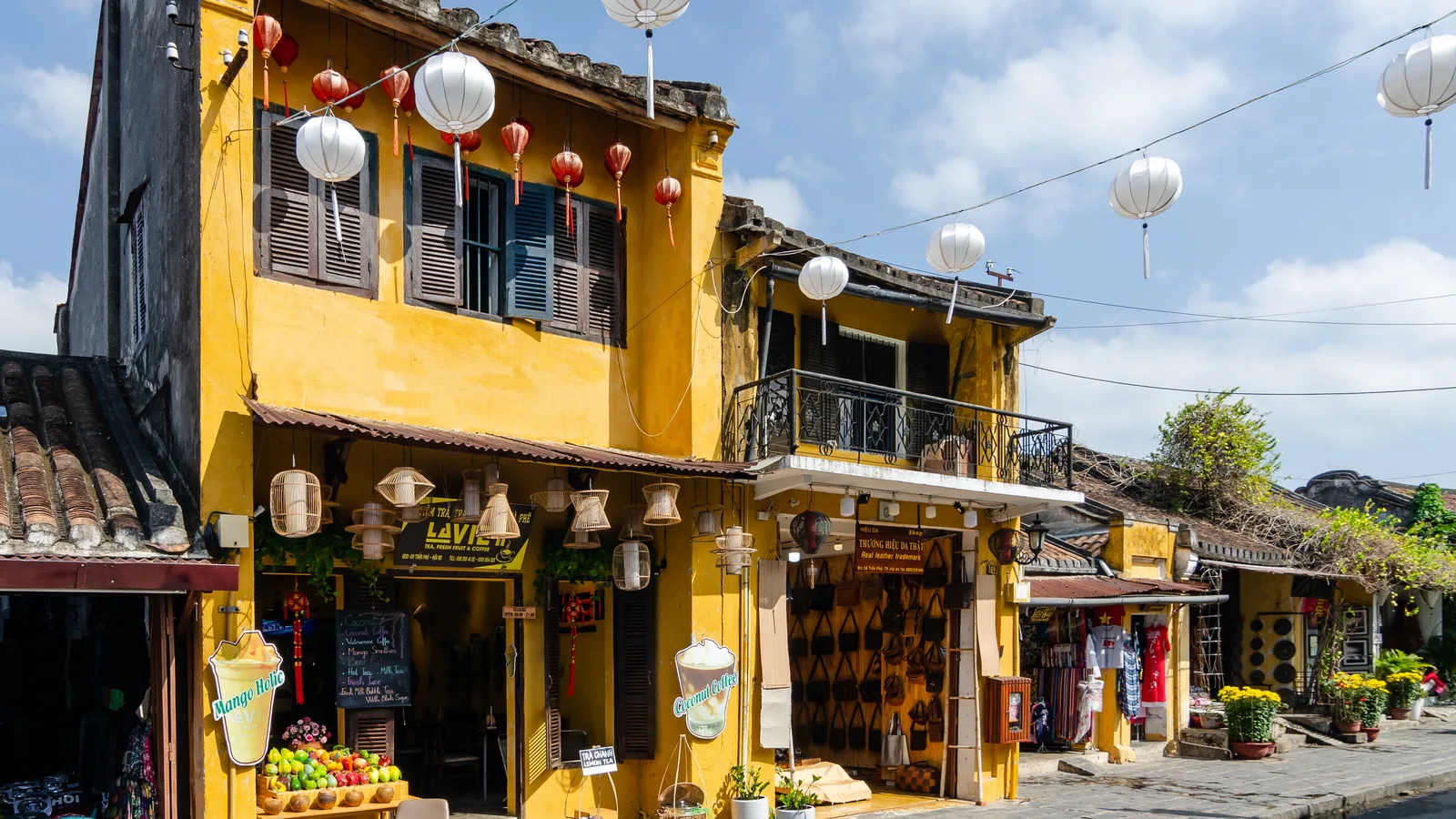
Hoi An is famous for tailors, and within a few minutes’ walk of the market you pass one shop after another, each with a row of mannequins in suits and dresses at the door. Plenty of visitors go home with something made to measure and are delighted with it. Others collect it on the morning they leave, find it does not fit, and have no time left to fix it.
The difference is rarely the shop. It is almost always the timing. This page gives you the two questions that sort out the timing, then the smaller checks on fabric, paperwork and shipping. We do not name or recommend any shop, and we explain below why we do not print prices.
What the official sources say
The Da Nang city tourism portal, which now covers Hoi An, published a page on the town’s tailoring in June 2026. It is the most official description we could find, and it is short on hard figures. Here is what it does say.
Having clothes made in Hoi An
| Tailor shops in Hoi An, per the city portal | “hundreds” |
| Time to make a suit, dress or shirt, per the portal | a few hours to 1–2 days |
| Time the portal suggests for choosing a tailor | 1–2 full days |
| Price of a suit, a dress or a shirt | not printed |
| Cost of shipping clothes to the US | not printed |
Source: Da Nang city tourism portal, “Hoi An Tailoring Experience”, page dated 22 June 2026, checked 12 November 2026. The portal gives no prices. Prices depend on the garment, the fabric and the shop, and we do not print numbers we cannot stand behind. To check for yourself, ask two shops for a written quote for the same garment in the same fabric.
Notice the gap in that middle line. “A few hours” and “one to two days” describe how long it takes to sew something. They say nothing about how many times you need to come back and try it on, and that is the part that decides whether it fits.
The two questions to ask before you choose
Ask them in every shop you are considering, before you look at a single fabric. A good shop will answer both without hesitation.
- “How many fittings does this garment need?” A first measuring, then at least one fitting where you try it on half-finished and they mark the changes, then a final try-on. A simple shirt may need fewer. A jacket or a fitted dress usually needs more. If the answer is “none, we just measure”, you are relying on the measurements being right first time.
- “How many days does that take, and when is the last fitting?” Ask for actual days and times. Then compare the date of the last fitting with the day you leave. You want at least one spare day after it, in case something needs correcting.
Plan your stay around the answer, not the other way round. If a shop needs three days and you have two nights, either order something simpler or do not order at all. Being rushed is how a good tailor ends up making a bad suit.
Plan your stay around the answer
In practice this means three things, all of them our advice rather than anyone’s rule.
- Order on your first day in Hoi An, not your last. The city portal says the same thing: visit early in the trip so there is time for fittings and adjustments.
- Give it at least two nights. One day for measuring and choosing, a second for a fitting, with the final try-on before you leave. If you are deciding where to sleep, Da Nang or Hoi An sets out what staying in town gives you, and fittings are one of them.
- Put the fittings in the middle of the day. The middle of the day is the hottest and most crowded time in the old town, and a cool shop with a chair is a good place to spend it. Keep the late afternoon for the streets. How the day fits together is in our Hoi An travel guide.
There is no pressure to decide on the spot. Look at the fabric, ask to see finished work, visit two or three shops, and come back.
Fabric: what to ask and what to keep
The city portal lists the fabrics on offer as linen, premium cotton, silk, wool blends and cashmere blends. What you are told in the shop is a description, not a guarantee, so:
- Ask exactly what the fabric is. “Wool” and “a wool blend” are different things at different prices. So are silk and something that looks like silk.
- Ask for a small cutting to keep. If the finished garment looks different from what you chose, you have something to compare it with.
- Think about where you will wear it. A heavy suit chosen in the heat of central Vietnam feels very different at home in January. Hold the cloth, not just the photo.
- Bring a picture of what you want. The portal suggests reference photos too. It is far easier than describing a collar in words.
Price, deposit and the order slip
We do not print a price for a suit or a dress. Prices vary with the garment, the fabric and the shop, and we have no source we would stand behind. What we can tell you is how to make sure the price you agree is the price you pay.
- Get it in writing. One slip listing the garment, the fabric, the agreed price, the deposit paid, the fitting dates and the collection or delivery date. Take a photo of it on your phone.
- Agree the deposit before anything is cut. Ask whether it is cash or card, and whether a card adds a fee. Which notes to carry is in money in Vietnam.
- Ask what happens if it does not fit. “We alter it free until it fits” is the answer you want, and it is worth having on the slip.
- Compare two quotes for the same thing. Same garment, same fabric, two shops. That tells you more about a fair price than any number we could print.
You will read about tailor deposit disputes on travel forums. When we wrote our page on tourist scams in Da Nang and Hoi An we could not trace them to a news report, a police statement or a tourism authority, so we do not present them as fact. A written slip protects you either way.
Carrying it home or shipping it
Most people carry their clothes home. If you plan to, leave room in your case before you fly out; what to pack for central Vietnam has more on packing light for this region. Clothes you bring back in your luggage go through the normal US Customs rules for returning travellers, which are set out on cbp.gov under “Know Before You Go”.
Shipping is where things have changed. US Customs and Border Protection suspended the duty-free “de minimis” treatment for low-value shipments from all countries from 29 August 2025, regardless of value. In plain terms, a parcel of clothes sent from Vietnam to your home may now arrive with duties or fees to pay.
Shipping clothes home to the US
| Duty-free “de minimis” treatment suspended, all countries | from 29 August 2025 |
| Duty rates and shipping prices | not printed |
Source: US Customs and Border Protection, CSMS #66065494, “Suspension of Duty-Free De Minimis Treatment for All Countries”, 28 August 2025, checked 12 November 2026. Duty rates depend on the goods and have changed more than once since, so we do not print them. Check the current rules on cbp.gov, or with your own customs broker, before you ship anything.
If you do ship, ask the shop three things: which courier it uses, whether you will get a tracking number, and who pays any duties when the parcel reaches the US. Write the answers on your order slip.
If you are at the very beginning of planning and wondering whether there is time for any of this, three days in Da Nang and Hoi An shows how the days fit together, and start here covers the rest.
Common questions
How long does it take to have clothes made in Hoi An?
The Da Nang city tourism portal says a suit, dress or shirt can take from a few hours to one or two days to make, checked 12 November 2026. Fittings take longer than sewing, so ask the shop how many fittings your garment needs and plan for at least two nights in town.
What should I ask a Hoi An tailor before ordering?
Two questions first: how many fittings the garment needs, and how many days that takes, including when the last fitting is. Then ask exactly what the fabric is, ask for a cutting to keep, and get the price, deposit and dates on a written slip.
How much does a suit cost in Hoi An?
We do not print a price. The city tourism portal gives none, and prices depend on the garment, the fabric and the shop. Ask two shops for a written quote for the same garment in the same fabric and compare them.
How many fittings will I need?
It depends on the garment and the shop, so ask. A typical pattern is a measuring, at least one fitting where you try it on half-finished, and a final try-on. Make sure the last fitting is at least a day before you leave.
Can a Hoi An tailor ship my clothes to the US?
Some shops offer it; ask before you order. Since 29 August 2025, US Customs no longer gives duty-free de minimis treatment to shipments from any country, so a parcel may arrive with duties or fees to pay. Ask the shop which courier it uses and who pays the duties, and check current rules on cbp.gov.
Which tailor in Hoi An do you recommend?
We do not name or recommend shops. The city tourism portal says there are hundreds. Choose by the answers to the two questions about fittings and days, by the finished work you are shown, and by whether the shop will put everything in writing.
Planning this trip yourself?
Ask us anything about the route, the pace or the timing. It goes straight to the office in Da Nang, not to a call centre — and if we are not the right company for your trip, we will tell you that too.


Mai Tiến Tần
Founder, Vietking Travel · Licensed international tour operator No. 01-1082/2018 · Company registered in Vietnam, 2011
Everything here is written from Da Nang, after walking the route. Prices carry the date they were checked. Where we do not have a figure we can stand behind, we say so rather than guess.