
Hoi An
The Japanese Covered Bridge: The Shrine Inside and the Name Nobody Translates
Hoi An’s emblem is about 18 metres long and you can cross it in under a minute. What makes it worth stopping for is its three names, the guardian deity in the shrine on its side, and the legends that are best enjoyed as legends.
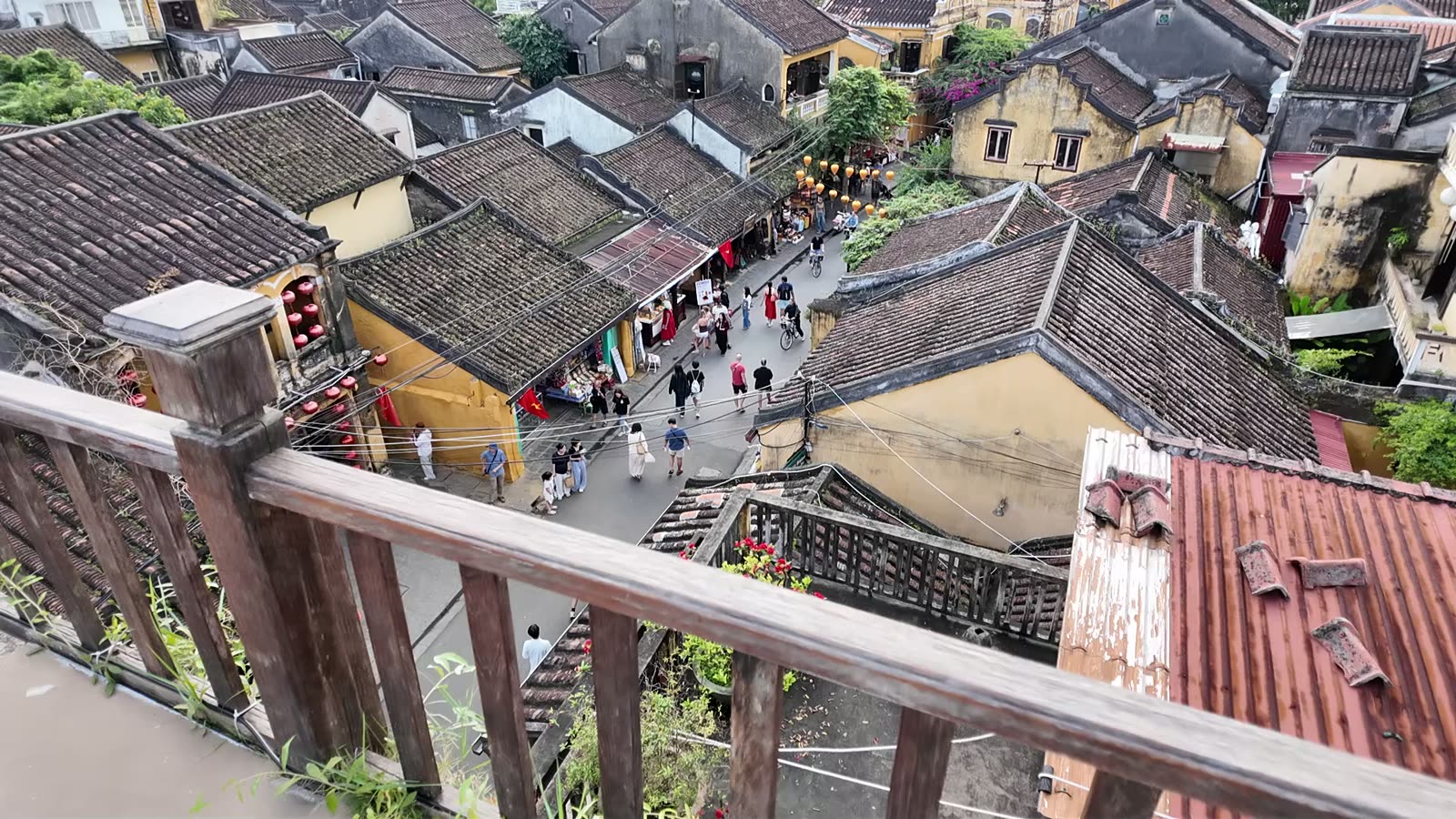
Everyone calls it the Japanese Covered Bridge, and almost nobody stops to ask what the people of Hoi An call it, or what the three characters over it actually say. The answers are more interesting than the bridge’s size suggests. It is short, it is almost always crowded, and you can cross it in under a minute. The story is in its names and in the small shrine built onto its side.
This page covers what the bridge is, what its names mean, who is worshipped inside, which of the stories told about it are history and which are legend, and why its restored colours caused an argument in 2024. Every figure carries a source and the date we checked it.
What the bridge is
The bridge crosses a narrow canal at the western end of the old town. It is a small roofed wooden bridge with a small place of worship attached to it, which is unusual enough that the shrine has given the bridge its everyday name.
Japanese merchants are credited with building it in the late 16th or early 17th century, when Hoi An was an international trading port and Japanese traders lived and did business here alongside Chinese and Vietnamese ones. The Hoi An heritage centre’s own research pages say the bridge was built by the Japanese in the early 17th century, citing old written accounts rather than a dated document, and VnExpress and the Da Nang tourism portal both give the looser “late 16th or early 17th century”. You will see an exact year, usually 1593, on many websites. We could not find it on an official page, so we do not repeat it as fact.
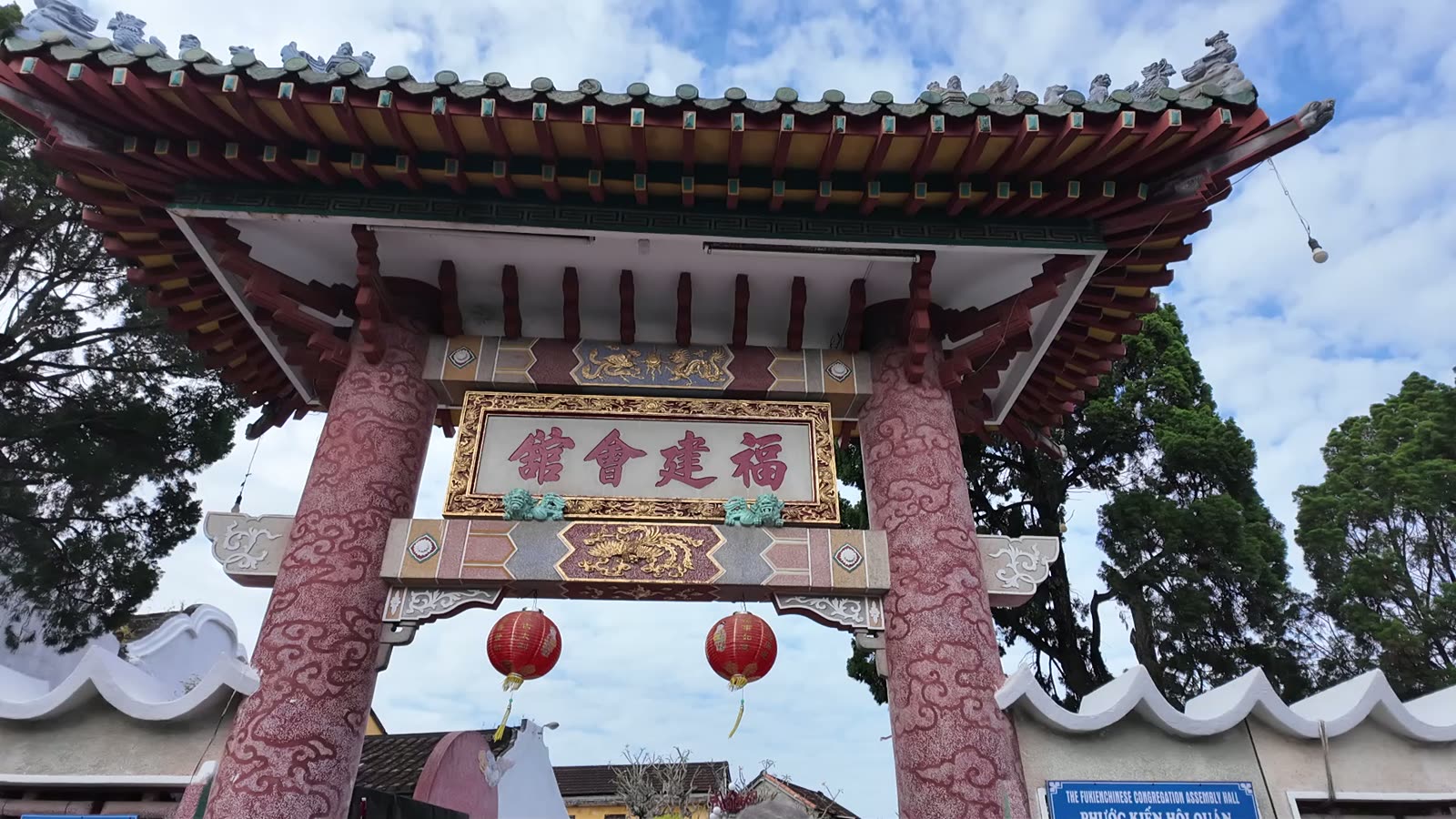
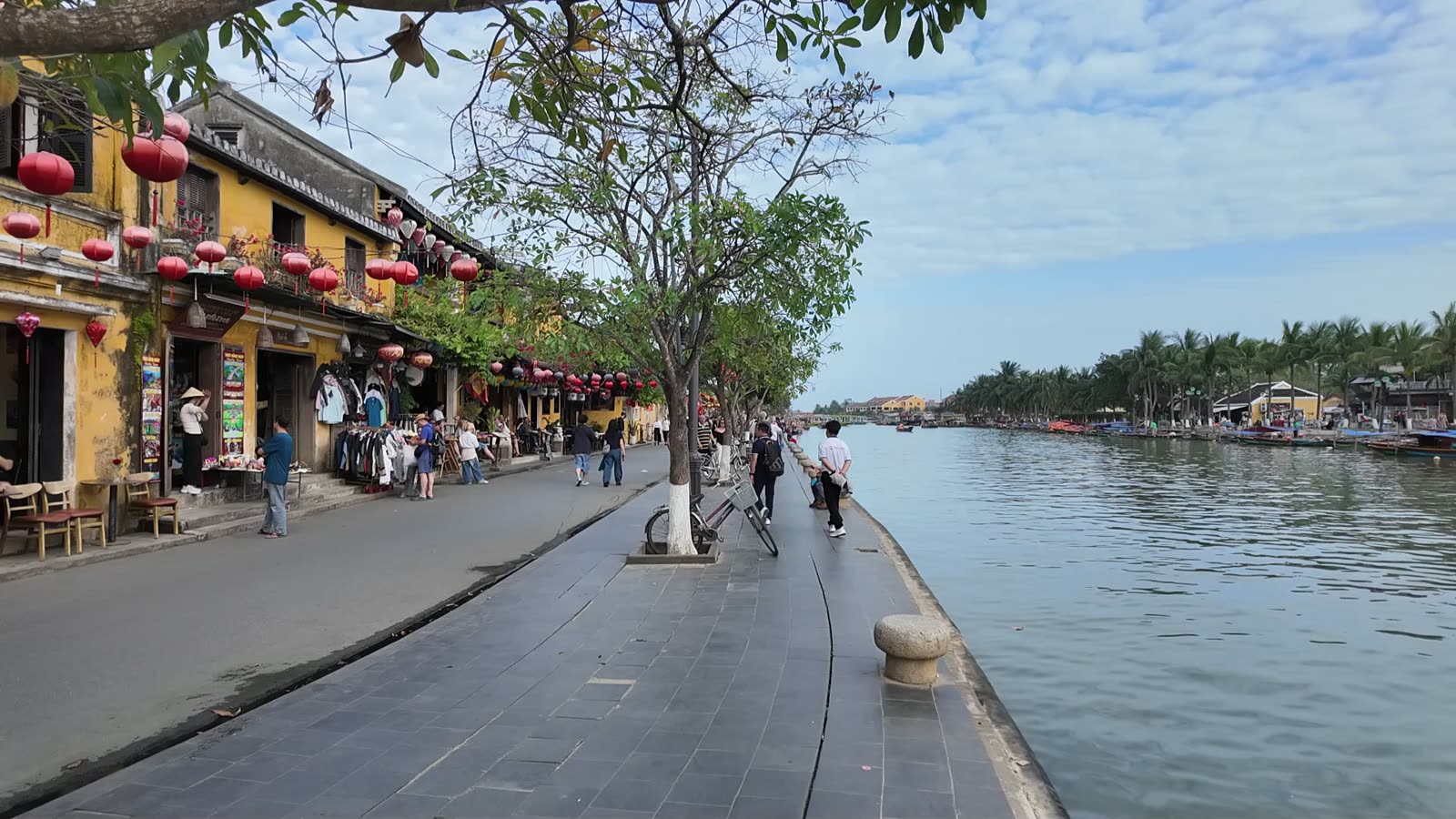
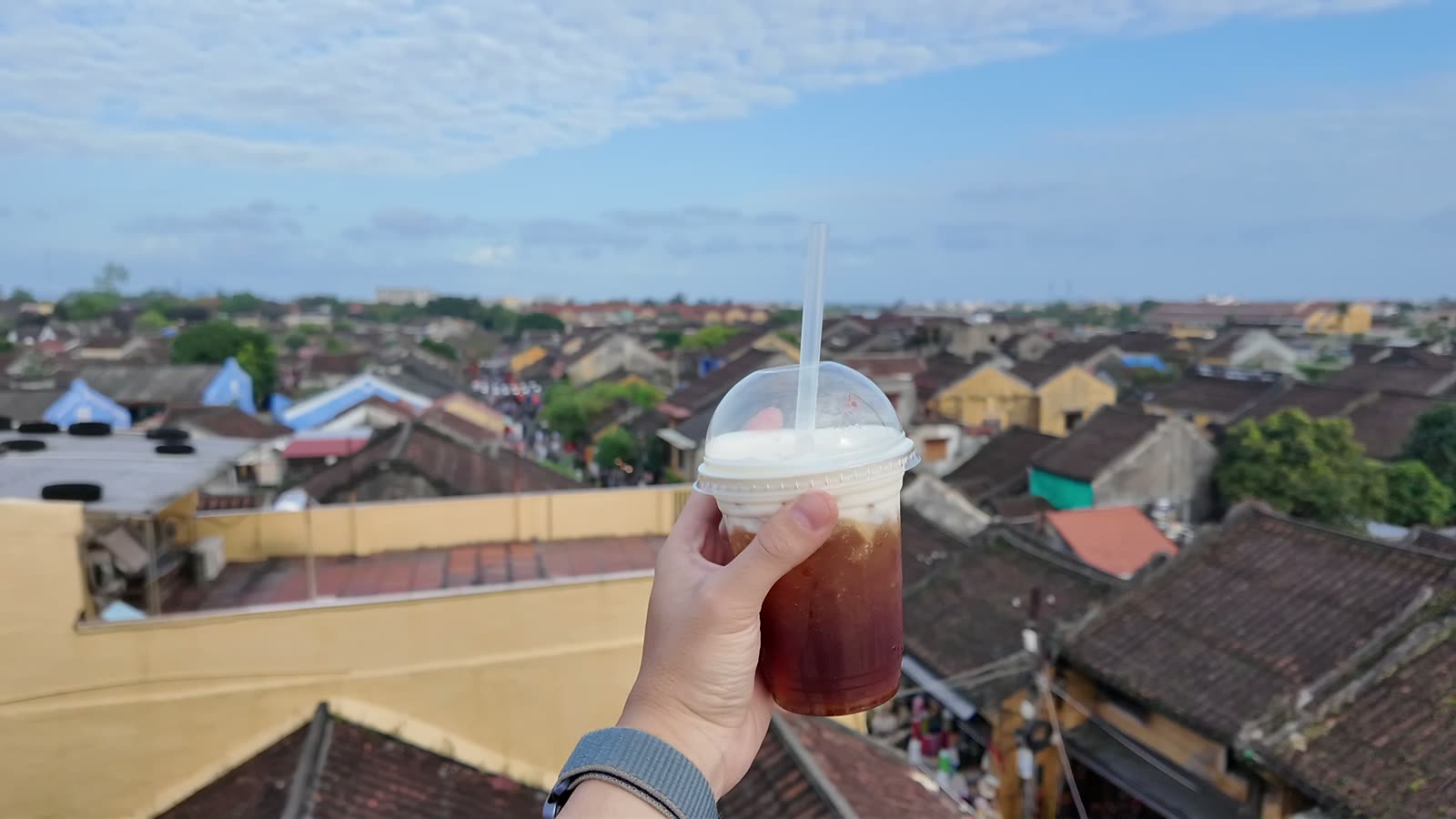
That photograph is not of the bridge. It is of the Fujian Assembly Hall a few streets away, built by Chinese merchants, and it is here because it makes a point about the bridge: in Hoi An, the Japanese, Chinese and Vietnamese communities built side by side, and the “Japanese” bridge has a Chinese-character name board and a Vietnamese name. We have filmed the bridge itself, but we have not yet published a still of it that meets our own standard, so the photographs on this page are of the old town around it.
The numbers, with sources
The Japanese Covered Bridge (Chua Cau)
| Size, per the city tourism portal | about 18 m long, 3 m wide |
| Built, per VnExpress and the city tourism portal | late 16th – early 17th century |
| Named “Lai Vien Kieu” by Lord Nguyen Phuc Chu | 1719 |
| Restorations before the latest one, per VnExpress | 7, the last in 1986 |
| Latest restoration began | 28 December 2022 |
| Reopened, after about 19 months | 3 August 2024 |
| Approved restoration budget, per VTC News | 20.2 billion₫ |
| Hours for walking on the bridge and entering the shrine, per the city tourism portal | 09:00 – 11:00 · 15:00 – 22:00 |
| Visitors on the bridge at one time, per the same page | up to 20 |
| Banknote it appears on | 20,000₫ polymer note |
Sources: VnExpress, 3 August 2024 (reopening, about 19 months, dismantled in late December 2022, seven earlier restorations, the last in 1986, the deity); VnExpress, 28 December 2022 (work started that day, budget “more than 20 billion dong”); VTC News, 5 August 2024 (20.2 billion dong approved budget, crowds after reopening); VTC News, 29 July 2024 (the argument about colour and both official responses); Da Nang city tourism portal, page dated 8 December 2025 (size, deity, statues, legends, banknote, hours, visitor limit); Hoi An heritage centre research page, 13 May 2022 and 23 August 2021 (the 1719 name and its meaning). All checked 12 November 2026. The hours and the visitor limit appear on the portal’s bridge page but not on the heritage board’s January 2026 ticket notice, so ask at the booth on the day.
Three names, and the one nobody translates
“The Japanese Covered Bridge” is the name in English guidebooks and on most signs for visitors. It describes who is credited with building it and what it looks like. Nobody in Hoi An calls it that among themselves.
Chùa Cầu is what you will hear locally, and it is what to ask a driver for. It means, roughly, “the pagoda bridge” or “the bridge with a pagoda”: chùa is the word for a temple or pagoda, cầu the word for a bridge. The everyday name is about the shrine, not the builders.
Lai Viễn Kiều is the formal name, and it is the one almost no visitor has translated for them. In 1719 Lord Nguyen Phuc Chu, one of the Nguyen lords who ruled this part of Vietnam, gave the bridge a lacquered name board with those three characters. The Hoi An heritage centre translates it as “bridge welcoming far-away guests”, and its research pages say the name was meant to remind people of the friends who had come from afar. For a bridge built by foreign merchants in a port that lived by foreign trade, it is a generous name, and it is worth knowing when you stand under it.
The English name tells you who built it. The local name tells you what is inside it. The formal name tells you who it was for.
The shrine inside
Built onto the bridge is a small shrine to Bắc Đế Trấn Vũ, a Taoist guardian deity who, in the words VnExpress uses, protects people from calamity. The city tourism portal describes the statue as lacquered and gilded wood. In a town that lives with floods, a guardian against disaster on the bridge over the canal makes obvious sense.
It is a place of worship, not a museum room. Two practical points follow from that, and they are our own guidance rather than a posted rule: cover your shoulders and knees if you plan to step in, and keep your voice down. People still come to pray here.
The monkey, the dog and the monster: legends, told as legends
Two stories are told about the bridge on almost every tour. Both are worth hearing. Neither is documented history, and the official sources we read present them as folklore too.
The monkey and the dog. At the two ends of the bridge stand a pair of statues, a monkey at one end and a dog at the other. The city tourism portal calls them guardians of the bridge, and says one widespread explanation is that construction began in a Year of the Monkey and finished in a Year of the Dog. The same page says their exact origin “remains something of a mystery”. Enjoy the explanation; do not use it to date the bridge.
The monster under the sea. In the legend, told in both Hoi An and Japan, a giant creature called Namazu lay with its head in India, its body under Vietnam and its tail reaching Japan. Whenever it thrashed, earthquakes and floods followed. The bridge, the story goes, was built like a sword driven into the monster’s back to hold it still. The heritage centre’s own research article mentions the same belief and describes it as what “some ancient people believed”. Researchers, it says, think the bridge was simply built across a creek to make trade easier.
There is a quiet irony in the legend. The bridge built to stop the floods stands over a canal that, in most autumns, floods along with the rest of the riverside town.
The restoration and the argument about colour
The bridge had been in trouble for years. VnExpress reported that by 2010 the foundation had subsided and cracked, the bridge and the shrine had begun to separate, and the timber was rotting, with parts propped up by wood and held by cables. Work began on 28 December 2022, the bridge was taken apart completely, and it reopened on 3 August 2024 after about nineteen months. VnExpress says officials described the original architecture and structure as kept nearly intact, with defects corrected and the structure made more secure.
The look of the finished bridge was another matter. In the days before the reopening, the new colours were criticised in Vietnam as too new and too modern. VTC News reported on 29 July 2024 that the chairman of Hoi An’s People’s Committee ordered the colours to be adjusted, lighter red on the front and back and darker on the white sides. The director of the heritage conservation centre defended the work, saying the colours followed the bridge’s original ones, that the old colour was simply nearly twenty years of fading, and that the finish is whitewash and will fade quickly.
We are not going to tell you who was right. What it means for you is simple: if the bridge looks brighter or cleaner than the photographs you have seen, those photographs are older than the restoration, and the colours will keep softening with every wet season.
How to see it well
- It is a ticketed site. The heritage board’s January 2026 notice names the Japanese Covered Bridge among the monuments the old town ticket covers. How the ticket is divided between sites is something official sources currently describe differently, so read the Hoi An old town ticket explained and ask the seller which sites yours covers.
- Go in the morning window if you can. The city tourism portal lists 09:00 to 11:00 and 15:00 to 22:00 for walking on the bridge and entering the shrine. VTC News reported that after the reopening the crowd was heaviest from about three in the afternoon until dusk, with groups waiting outside for their turn.
- Cross once, then step back. The bridge is best seen from a few metres away. VTC News noted that many visitors photograph it from the footbridge over the canal, and the riverbank nearby gives you the side view.
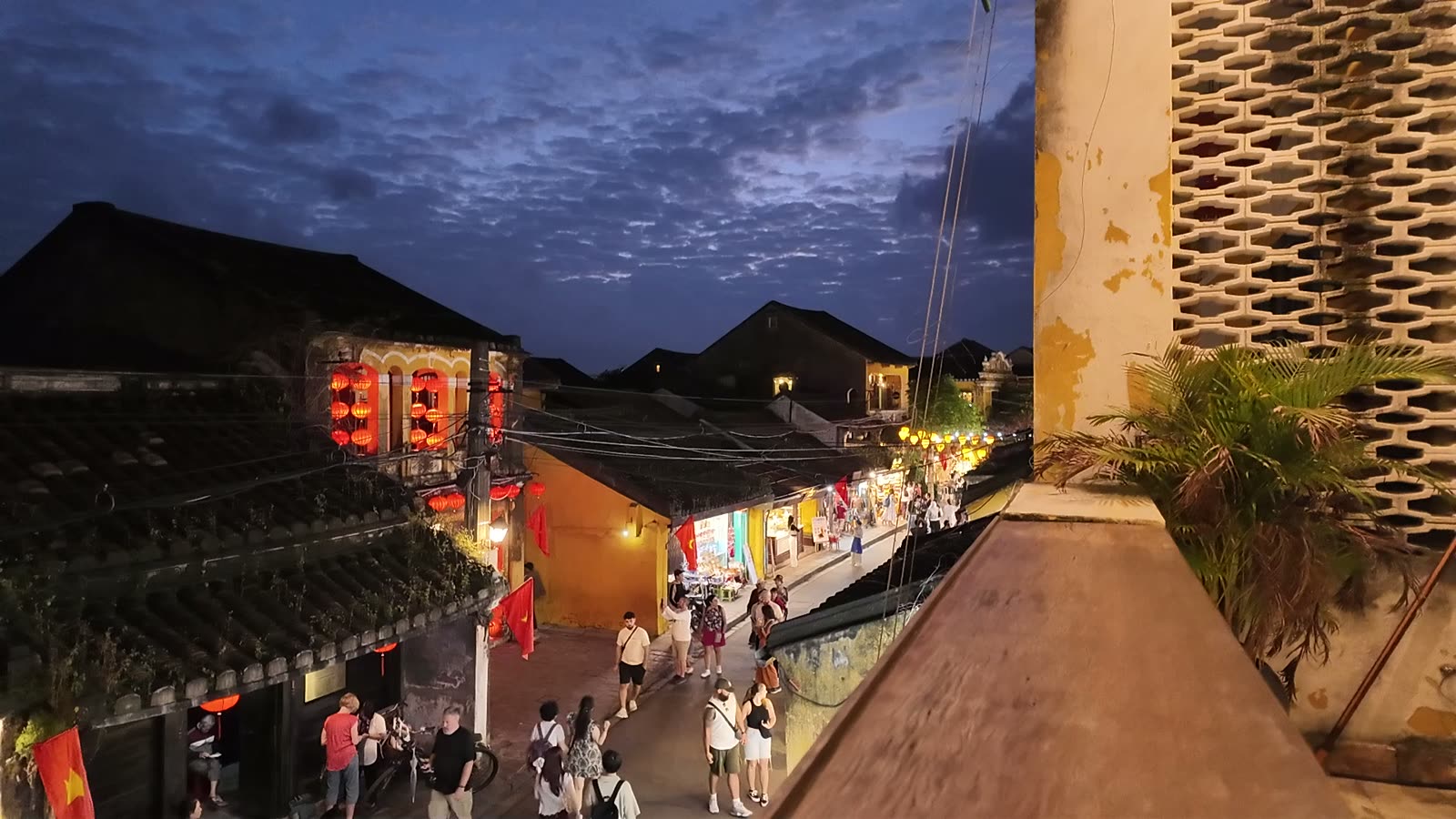
- Come back after dark. With the lanterns lit along the old town streets, the area around the bridge is a different place in the evening. How the evening in the old town runs is in Hoi An at night.
- Look at your money. The city tourism portal notes that the bridge is on the 20,000₫ polymer note. You will very likely be handed one in change on your first day.
The bridge fits most naturally into the afternoon of a Hoi An day, between a heritage house and the riverfront at dusk. Our two days in Hoi An shows where we put it, and everything else about the town, from the ticket to the floods, is in the Hoi An travel guide. If you are at the very beginning of planning, start here.
Common questions
Do you need a ticket for the Japanese Covered Bridge in Hoi An?
Yes, to go onto the bridge and into the shrine. The Hoi An heritage board’s notice dated 29 January 2026, checked 12 November 2026, names the bridge among the monuments covered by the old town ticket. Ask the seller at an official booth which sites your ticket covers.
What does Lai Vien Kieu mean?
It is the formal name Lord Nguyen Phuc Chu gave the bridge in 1719. The Hoi An heritage centre translates it as “bridge welcoming far-away guests”, a reminder of the friends who came to the port from afar.
Why is it called Chua Cau?
Chua Cau means roughly “the pagoda bridge”. The local name comes from the small shrine built onto the bridge, which is dedicated to Bac De Tran Vu, a Taoist guardian deity who protects people from calamity.
When was the Japanese Covered Bridge restored?
Work began on 28 December 2022 and the bridge reopened on 3 August 2024 after about nineteen months, according to VnExpress, checked 12 November 2026. Its new colours were debated at the time and are expected to soften as the whitewash fades.
How old is the Japanese Covered Bridge?
Japanese merchants are credited with building it in the late 16th or early 17th century, which makes it roughly four hundred years old. An exact year is often quoted online, but we could not find one on an official source.
Are the monkey and dog statues on the bridge really about the years it was built?
That is a popular explanation, not a documented fact. The Da Nang city tourism portal describes the statues as guardians of the bridge and says their exact origin remains something of a mystery.
Planning this trip yourself?
Ask us anything about the route, the pace or the timing. It goes straight to the office in Da Nang, not to a call centre — and if we are not the right company for your trip, we will tell you that too.

Mai Tiến Tần
Founder, Vietking Travel · Licensed international tour operator No. 01-1082/2018 · Company registered in Vietnam, 2011
Everything here is written from Da Nang, after walking the route. Prices carry the date they were checked. Where we do not have a figure we can stand behind, we say so rather than guess.