
Hoi An
Hoi An at Night: Lanterns, the Night Market and the Boat on the Thu Bon
Hoi An after dark is the picture that sells central Vietnam. It is also busier, shorter and more negotiable than the picture suggests. This is how the evening actually runs.
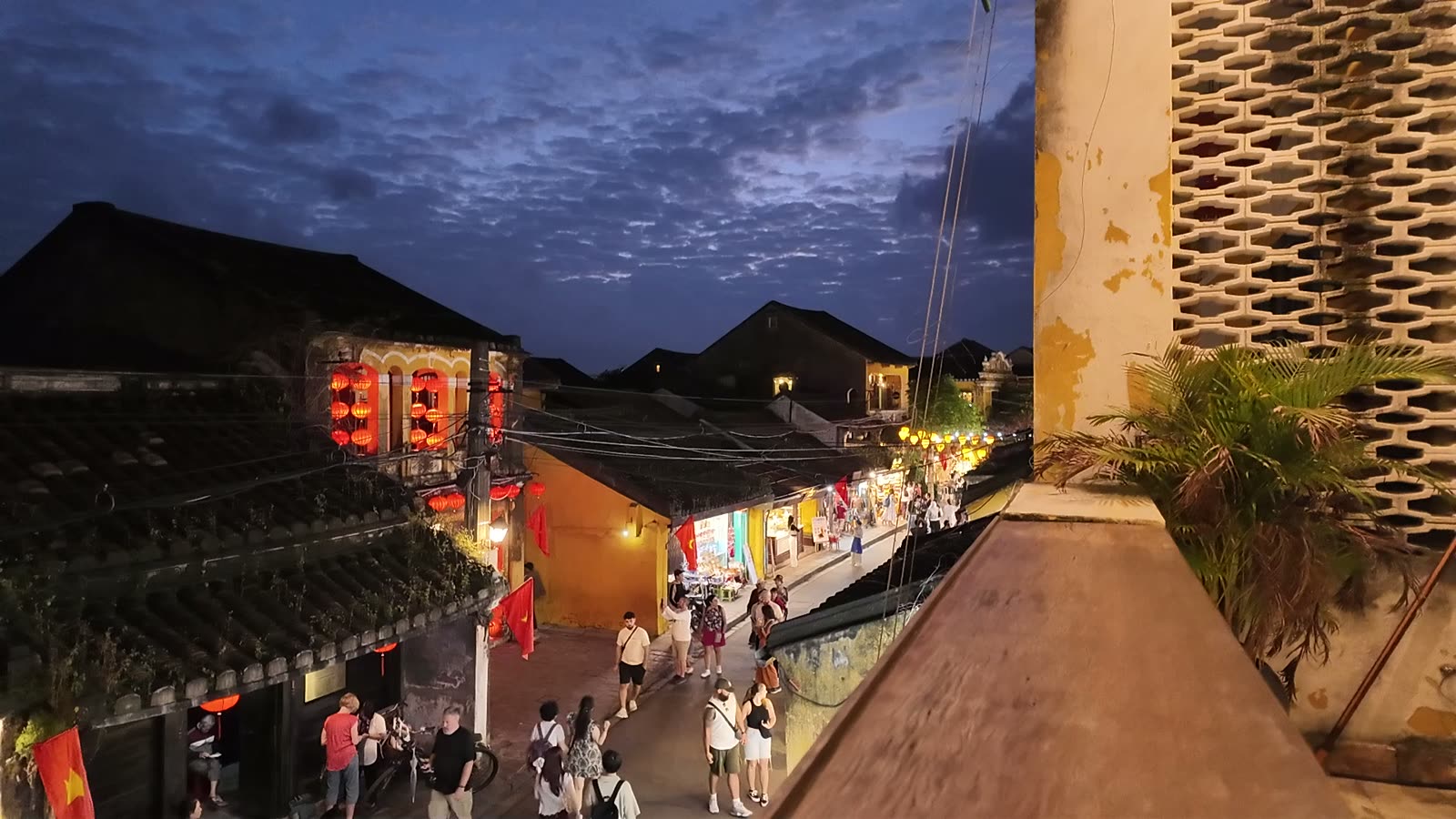
The photograph that sells central Vietnam is always the same one: silk lanterns strung over a narrow street, reflected in black water, a wooden boat passing underneath. It is a real photograph. You can take it yourself, from a spot we will tell you.
What the photograph does not show is that the whole thing runs on a schedule, that the crowd funnels into about four streets, and that the other half of the old town — across the river, five minutes’ walk — stays almost empty all evening.
When the lanterns actually come on
They go on at dusk, which in central Vietnam means somewhere around half past five in winter and closer to half past six in summer. There is no ceremony and no announcement — the shopfronts simply switch on one after another over about ten minutes.
The window worth being in position for is the twenty minutes after that, when the lanterns are lit and the sky is still blue. It is the only time the two light sources balance. Once the sky goes black you get a prettier lantern and a worse photograph.
Be standing on the Cam Nam bridge or the riverside path on the far bank about fifteen minutes before full dark, looking back at the old town. The whole lit waterfront is in front of you, the boats pass between, and you are not standing in a crowd to get it.
How the evening runs, hour by hour
- Around four o’clock. The heat has gone. Shops are open, the heritage sites are still open for another hour or two, and the streets are photographable without people in every frame. This is the most underrated hour of the day in Hoi An.
- Dusk. Lanterns on, sky still blue. Twenty minutes. Be where you want to be.
- Seven to nine. Peak. The main riverside streets are shoulder to shoulder, the night market on the far bank is fully open, boats are queued up at the steps. It is loud and good-humoured and it is a lot.
- After about nine thirty. It thins quickly. By ten the same streets are quiet enough to hear your own footsteps, the lanterns are still lit, and the town is at its best. Most visitors have gone back to Da Nang by then, which is their loss.
If you can only be in Hoi An for part of an evening, come at four and stay until eight. If you can stay later, the hour after nine thirty is the one people remember.
The boat and the floating candles
Small wooden boats take passengers out onto the Thu Bon for a short loop — a matter of minutes rather than an hour. You sit low, the lit waterfront goes past, and at some point you are handed a paper lantern with a candle in it to set on the water.
Two honest things about it.
First, it is lovely, and it is the single best vantage point on the town at night. Second, the price is negotiated at the steps, not posted, and it varies with the hour, the crowd and how you ask. We are not going to print a figure, because any number here would be wrong within a month and would set your expectations either too high or too low.
Agree the total and the length of the ride and the number of people before you step in — all three, out loud. Walk a hundred metres from the busiest steps and ask again; the answer is often different. And decide in advance whether you want the floating candles, because they are usually sold separately once you are already on the water.
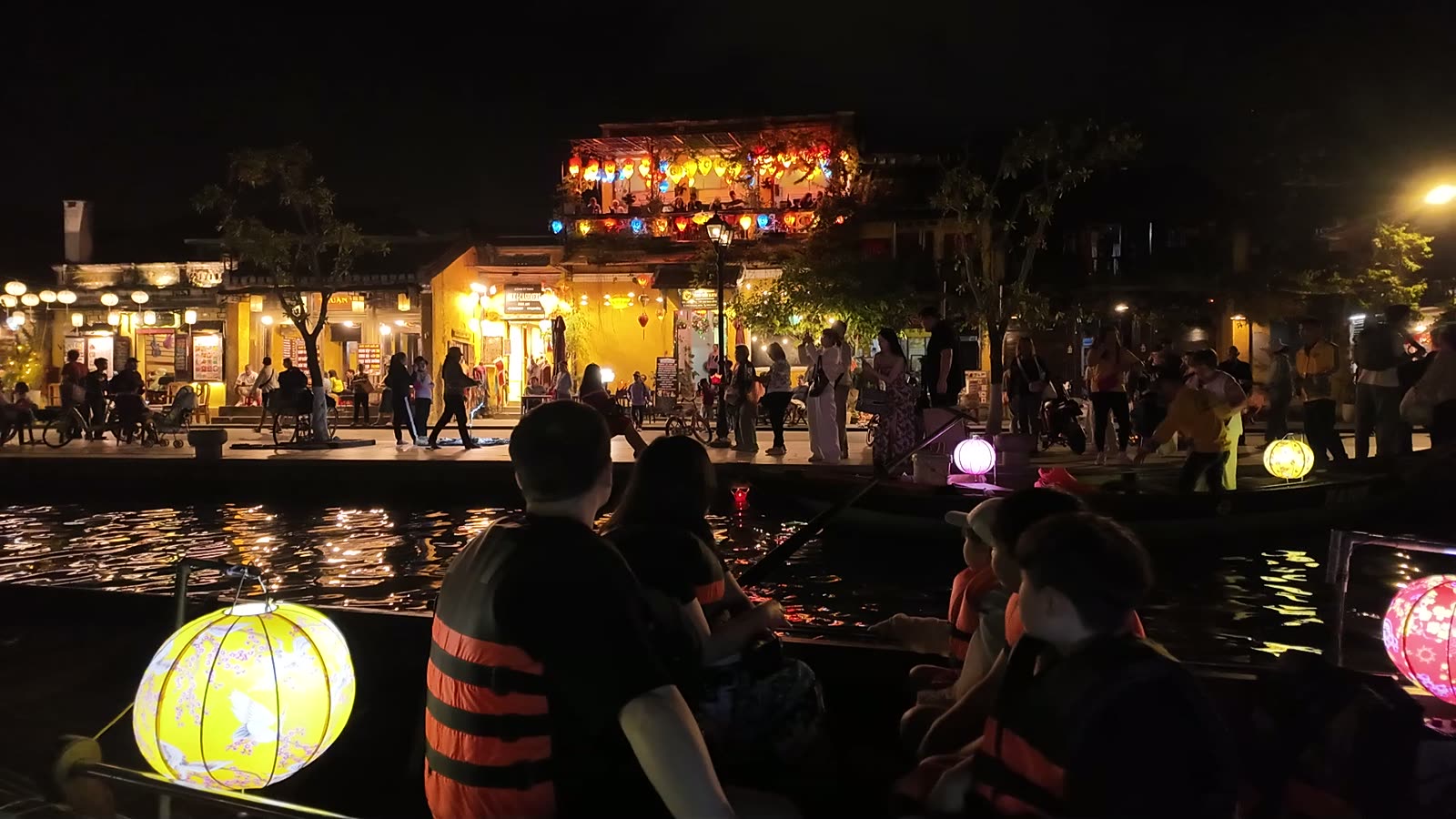
On the candles themselves: they are wax and paper and they go out in the river. Plenty of people feel uneasy about putting anything on the water at all, and if that is you, nobody will mind if you take the boat and skip the lantern.
Where the crowd is, and where it is not
The crowd is in four streets: the riverside road, the two parallel streets behind it, and the bridge across to the night market. That is it. Hoi An feels overwhelming because everybody is pressed into a small rectangle.
Ten minutes of walking gets you out of it entirely:
- Cross the river and turn away from the night market. The far bank has restaurants with tables on the water and a fraction of the people.
- Walk west, upstream, past the end of the lit section. Residential, quiet, with the glow of the town behind you.
- Go one street inland from the river. Even in the middle of the old town, the second street back is noticeably calmer than the first.
- Find a rooftop. Several cafes have one. You see the tiled roofs and the lantern light rather than the backs of other people’s heads.
Eating
Hoi An has dishes that exist properly only here — cao lau, with its thick noodles and a water supply story attached; banh mi that has been written about enough to create queues; com ga, the local chicken rice; white rose dumplings.
We are not going to hand you a restaurant list, because we would be sending several hundred people a month to the same six tables, which would ruin them. What we will say is this: the queue outside the famous banh mi place is real and it moves fast, and the small places on the second street back are usually better value than the ones with a river view.
Practical notes
- The old town is pedestrianised in the evening. Cars do not come in. Your driver drops you at the edge and collects you from the edge — agree the exact spot before you get out.
- The ground is uneven, and in the dark it is harder to read. Flat shoes.
- It floods. Most years, in the autumn. The streets nearest the river go under and the boats move through them. If you are travelling in October or November, read the best time to visit first.
- Going back to Da Nang takes about forty minutes to an hour, and getting a car at eleven at night from the edge of the pedestrian zone is easier if you have arranged it. See Da Nang to Hoi An.
- The old town ticket is for daytime interiors. It does not buy you anything after dark.
Common questions
What time do the lanterns come on in Hoi An?
At dusk — roughly half past five in winter and half past six in summer. The best twenty minutes are immediately after, while the lanterns are lit and the sky is still blue.
Is Hoi An worth visiting at night?
Yes, and it is the time of day the town is most distinctive. It is also at its most crowded between about seven and nine. Arriving at four or staying past nine thirty gives you the same town with a fraction of the people.
How much is the boat ride in Hoi An at night?
It is negotiated at the steps rather than posted, and it varies by hour and by crowd, so we do not print a figure. Agree the total price, the length of the ride and the number of people before you get in, and ask again a hundred metres from the busiest steps.
Where is the best place to photograph Hoi An at night?
From the far bank of the river, looking back at the lit waterfront, about fifteen minutes before full dark. You get the whole town, the boats passing in front of it, and no crowd around you.
Can you visit Hoi An at night without a ticket?
The listed heritage sites close in the early evening, so the old town ticket buys you nothing after dark. Walking, eating and shopping in the evening is what most visitors do, and in practice tickets are rarely checked at that hour.
How long should I spend in Hoi An in the evening?
Four hours covers it comfortably — arrive about four, see the lanterns come on at dusk, eat, take the river boat, and walk the quiet streets afterwards.
Planning this trip yourself?
Ask us anything about the route, the pace or the timing. It goes straight to the office in Da Nang, not to a call centre — and if we are not the right company for your trip, we will tell you that too.
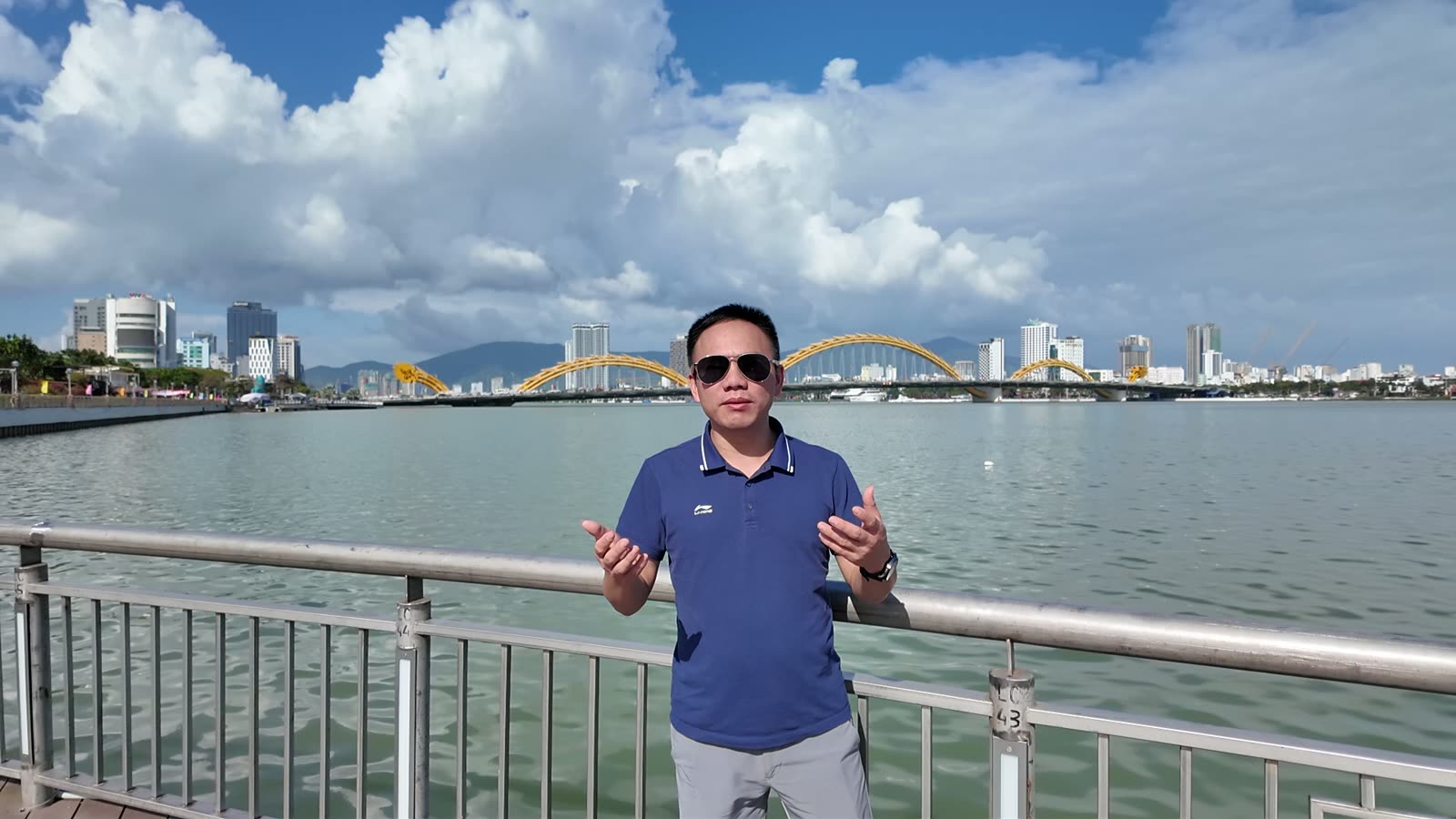

Mai Tiến Tần
Founder, Vietking Travel · Licensed international tour operator No. 01-1082/2018 · Company registered in Vietnam, 2011
Everything here is written from Da Nang, after walking the route. Prices carry the date they were checked. Where we do not have a figure we can stand behind, we say so rather than guess.