
Hoi An
The Hoi An Old Town Ticket Explained: What 120,000d Buys and When You Need It
The ticket confuses more visitors than anything else in Hoi An, partly because the rule on paper and the rule on the street are not the same thing. Here is both.
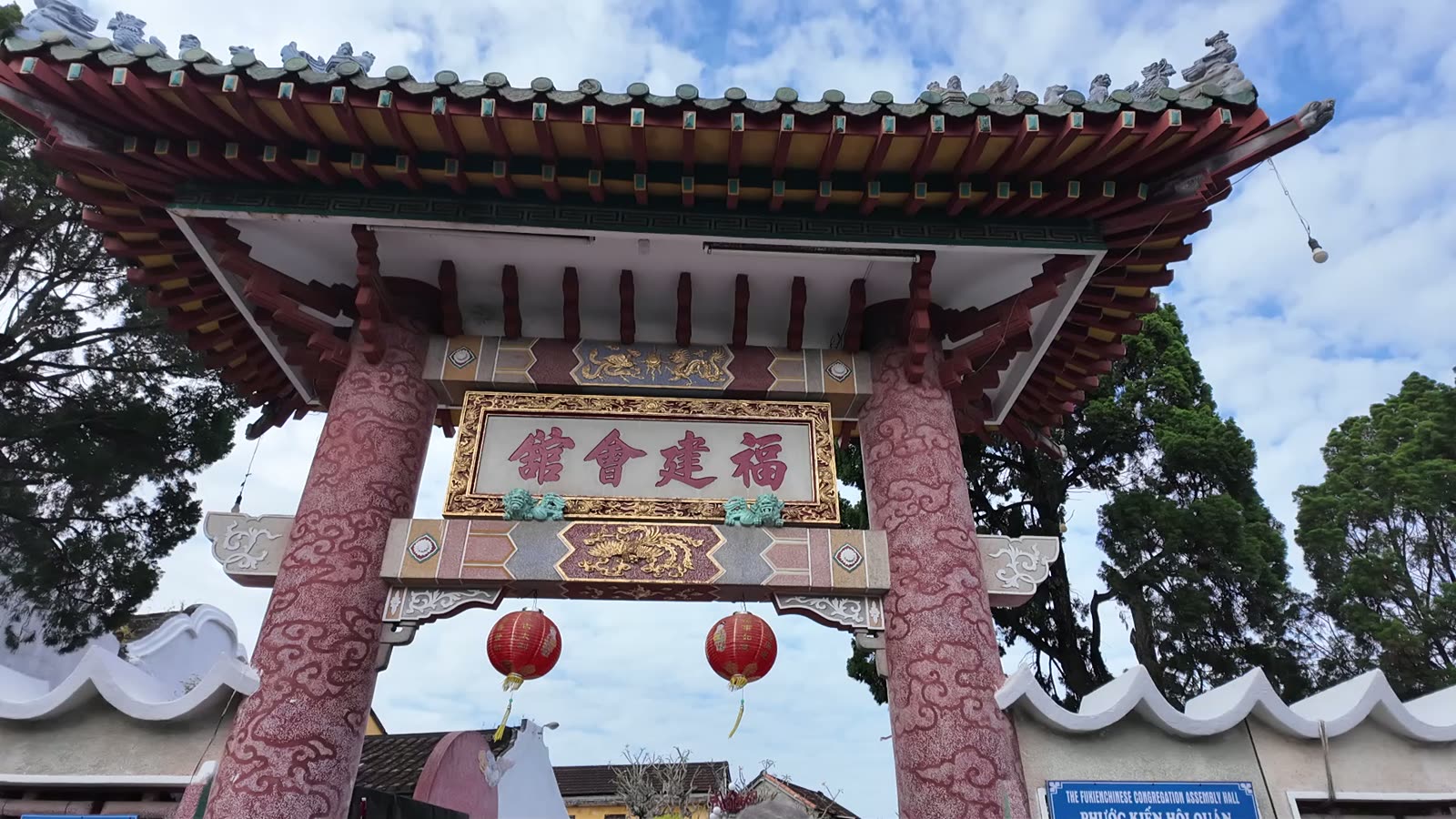
No other thing in central Vietnam generates as much confusion as the Hoi An old town ticket. People buy one and never use it. People walk past a booth and wonder whether they have just broken a rule. People arrive at a museum and discover they have already spent all five of something they did not know they were spending.
The confusion exists for a simple reason: the rule on paper and the rule on the street are not quite the same thing, and most guides tell you only one of the two. Here is both.
What the ticket is
Hoi An Ancient Town is a protected heritage area, and a long list of individual buildings inside it — assembly halls, old merchant houses, museums, the covered bridge — are maintained out of a single ticket rather than charging separately at each door.
Hoi An Ancient Town ticket
| Ticket price, foreign visitors | 120,000₫ |
| Heritage sites included | 5 entries |
| Walking the streets, eating, shopping | No ticket used |
Source: Da Nang city tourism portal, checked 27 October 2026. Published guides differ on secondary details such as resident pricing and validity; the ticket office is the authority. Prices change without notice.
One ticket, five entries. Each time you go into a listed site, one entry is taken. When the five are gone and you want to see more, you buy another ticket.
At the rate we checked in early October 2026 that is somewhere under five US dollars for five historic buildings — which, for anyone weighing it up, is not the kind of money that should drive the decision. What should drive the decision is whether you intend to go inside anything at all.
Do you actually need one?
This is the real question, and the honest answer has two halves.
On paper, the ticket is the admission charge for the protected zone, and visitors are expected to hold one. There are booths at the main entrances to the old town and staff who check at the doors of the listed sites.
In practice, for a great many visitors, nothing is ever checked. People walk the old town, eat, shop, photograph the lanterns, cross the river, and are never asked. Published guides disagree about whether strolling the streets requires a ticket, and so, visibly, does enforcement.
We are not going to tell you to avoid paying. We will tell you the truth, which is this: if you plan to go inside the old houses and assembly halls, the ticket is excellent value and you should buy one. If you are coming for the evening, the lanterns and dinner, you may well never be asked for it — and a lot of people buy one, use nothing, and go home thinking Hoi An charged them for a walk.
Our own position, for what it is worth: buy one, and then actually use it. Three interiors turn a pleasant wander into a day you remember. The buildings are the reason the town is protected.
Which five sites to spend it on
You get five. Choose them by type rather than by proximity, because three merchant houses in a row start to blur.
- One assembly hall. These were built by Chinese merchant communities from particular home provinces — Fujian, Canton, Hainan — and they are the most elaborate interiors in the town. Courtyards, coiled incense hanging from the ceiling, heavy carved timber. If you do one thing with the ticket, do this.
- One old merchant house. Still lived in, in several cases, by descendants of the family. Narrow, deep, dark wood, a courtyard in the middle to let light and air in. Look for the flood marks on the walls — the river comes into these houses most years, and the families mark the heights.
- The Japanese Covered Bridge. The emblem of the town, and the one on the banknote. There is a small shrine inside it. It is short, it is crowded, and seeing it is partly about having stood on it.
- One museum. Small, and they vary. The one on the town’s trading history does most to explain why a place this size has Japanese, Chinese and European architecture in the same street.
- Keep the fifth. Genuinely. Walk until something makes you curious and spend it there. If you leave it unused, you have lost roughly fifty cents.
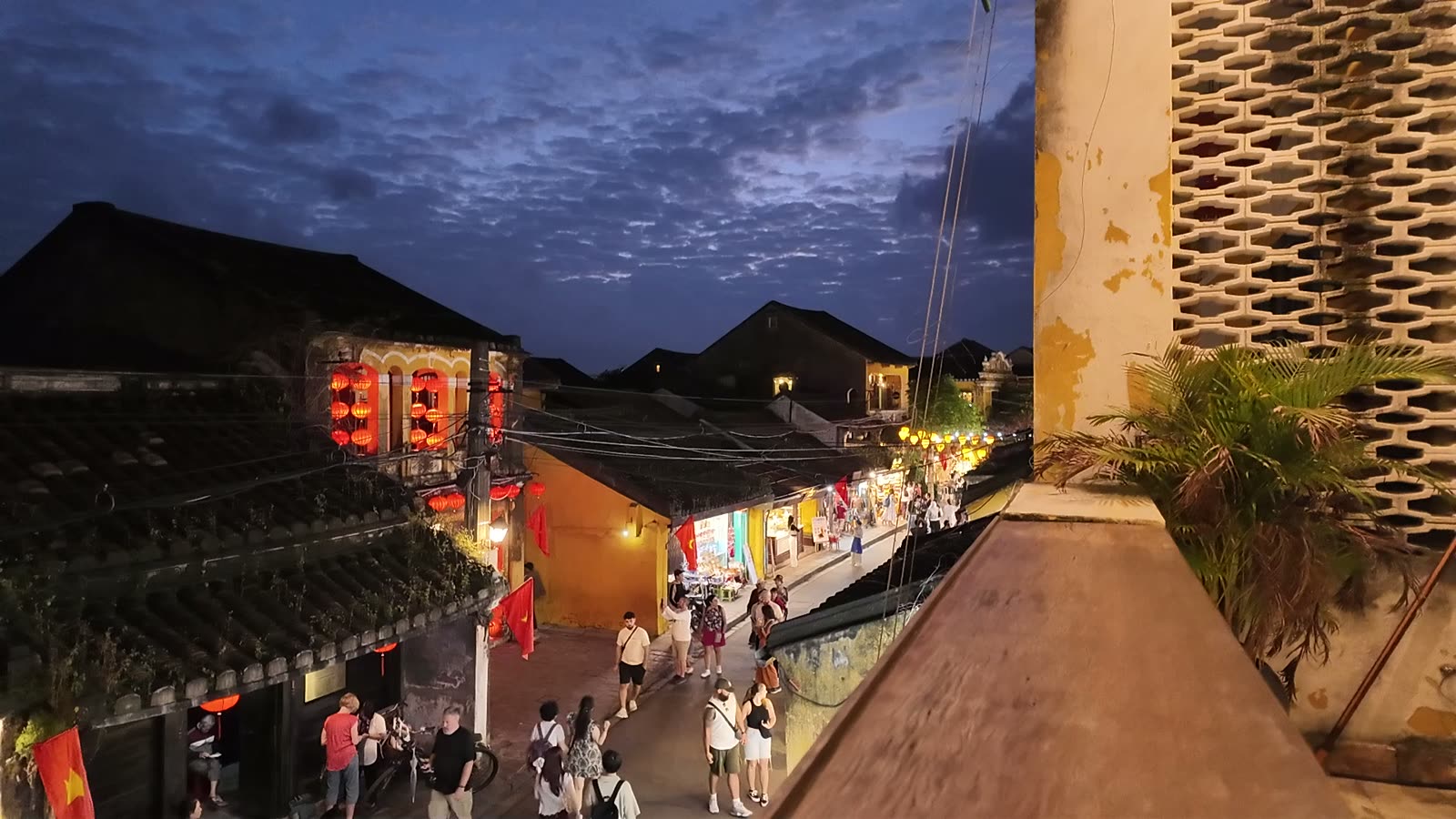
The listed sites close in the early evening, while the streets outside get better and better. So do your interiors in the afternoon, around three to five o’clock, then let the ticket expire naturally into the evening — which is covered in Hoi An at night.
How to buy it and how to use it
- Buy at an official booth at one of the entrances to the old town, not from somebody who approaches you in the street.
- Pay in cash. Bring small notes — see money in Vietnam for which ones.
- Keep the ticket. Staff at each site mark or take one portion. The remainder is your record of what you have left.
- One ticket per person. It is not a group pass.
- Check validity when you buy, if you are in town more than one day. Published guides disagree on this point, the booth does not.
Four mistakes we see constantly
- Buying it and never going inside anything. By far the most common. You have paid for five interiors; use at least three.
- Spending all five on similar houses. Mix a hall, a house and a museum.
- Arriving at six o’clock expecting to use it. The sites close while the town is just waking up.
- Assuming the ticket covers everything. It does not cover the boat on the river, the floating candles, the basket boats at Bay Mau, or anything you eat.
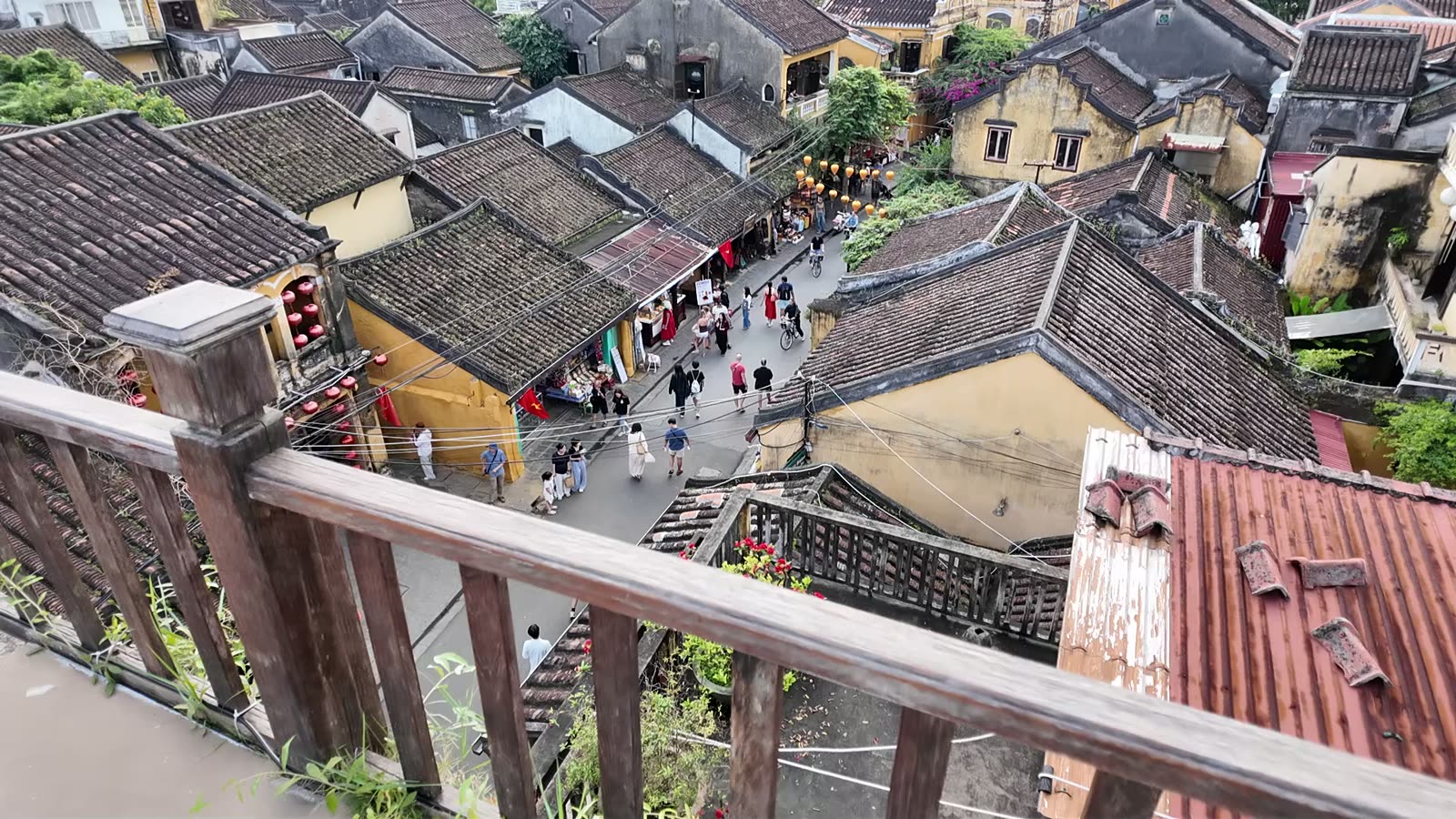
Where this fits in a trip, with the afternoon timings set out properly, is in our three days in Da Nang and Hoi An.
Common questions
How much is the Hoi An old town ticket?
120,000₫ for foreign visitors, covering five entries to listed heritage sites, as checked on 27 October 2026. Prices change without notice and the ticket office is the authority on the day.
Do I need a ticket to walk around Hoi An Ancient Town?
On paper the ticket is the admission charge for the protected zone. In practice many visitors walk the streets, eat and shop without ever being asked. Published guides disagree about this, and so does enforcement. You do need one to go inside any of the listed heritage sites.
How many sites does the Hoi An ticket cover?
Five entries, chosen from a longer list of assembly halls, old houses, museums and the Japanese Covered Bridge. When the five are used, you buy another ticket.
Where do you buy the Hoi An old town ticket?
At official booths placed at the main entrances to the old town. Pay cash, and avoid buying from anyone who approaches you in the street.
Is the Hoi An ticket valid for more than one day?
Published guides disagree, so ask at the booth when you buy. If you are in town for several days it is the one question worth putting to the person selling it.
Is the Hoi An old town ticket worth it?
Yes, if you intend to go inside the buildings — five interiors for under five US dollars is good value, and the interiors are the reason the town is protected. If you are only coming for the evening and the lanterns, you may get no use out of it at all.
Planning this trip yourself?
Ask us anything about the route, the pace or the timing. It goes straight to the office in Da Nang, not to a call centre — and if we are not the right company for your trip, we will tell you that too.


Mai Tiến Tần
Founder, Vietking Travel · Licensed international tour operator No. 01-1082/2018 · Company registered in Vietnam, 2011
Everything here is written from Da Nang, after walking the route. Prices carry the date they were checked. Where we do not have a figure we can stand behind, we say so rather than guess.