
Practical
Money in Vietnam: Cards, Cash, ATMs and the 500,000 vs 20,000 Note Trap
Two banknotes are almost the same shade of blue and differ by a factor of twenty-five. Nearly every visitor gets caught once. Here is how not to be one of them.
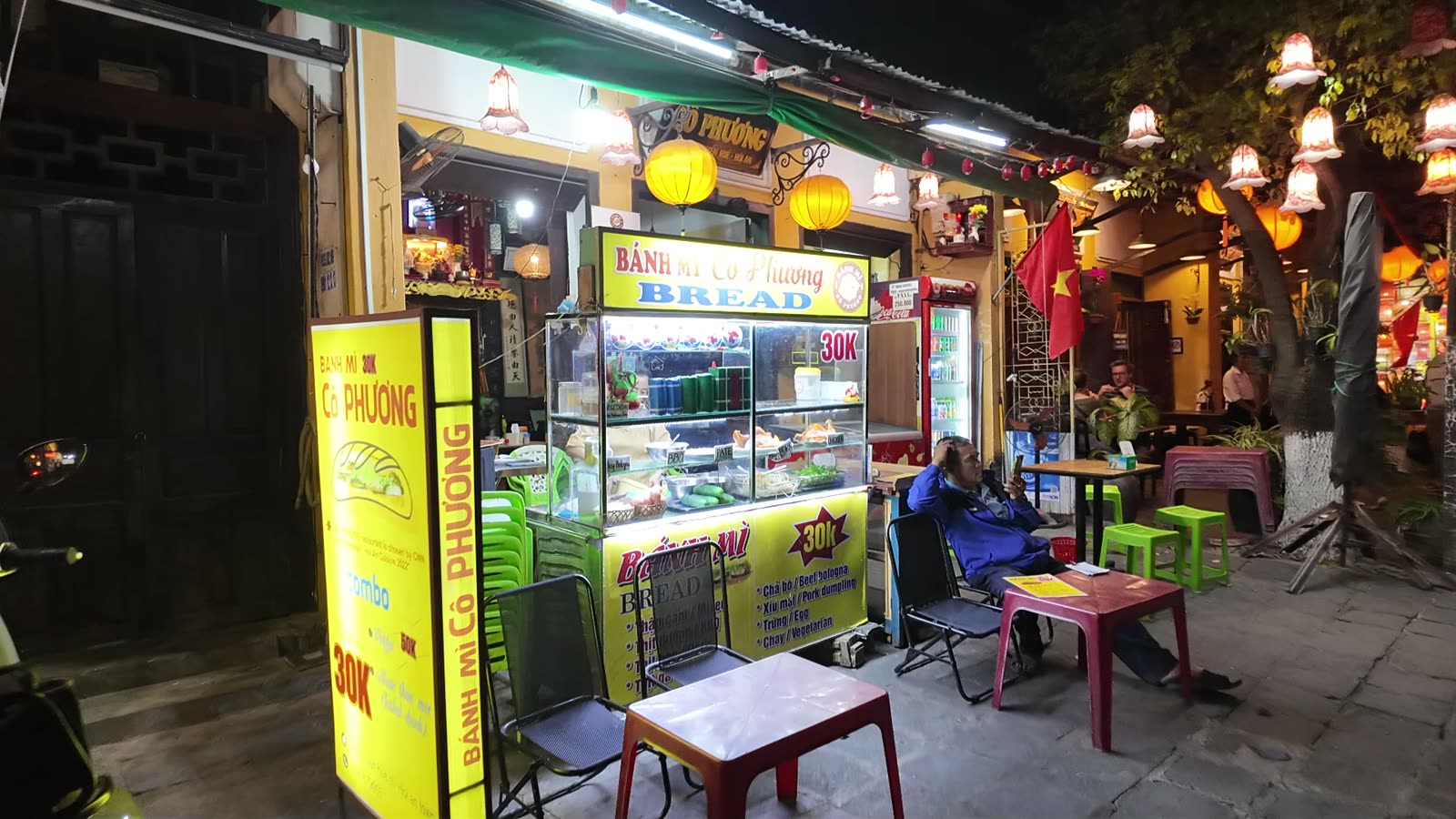
Vietnam is inexpensive enough that after about three days most visitors stop converting in their head. That is one of the real pleasures of travelling here. It is also exactly where the one genuine money mistake comes from.
This is what you need to know, in the order it will matter to you.
The banknote that catches almost everyone
Vietnamese banknotes are polymer, and two of them are a very similar shade of blue: the 20,000₫ note and the 500,000₫ note.
They are different sizes and the numbers are printed clearly. In daylight, unhurried, you will never confuse them. The trouble comes at night, in a market, with somebody waiting, while you are holding a folded handful of notes you have not sorted.
The difference between those two notes is a factor of twenty-five. It is the most common money mistake visitors make here, and it is almost always a genuine slip rather than anybody cheating you.
Three habits that solve it completely:
- Separate the 500,000₫ notes into a different pocket the moment you receive them. Treat them as a different currency.
- Count out loud as you pay. Nobody minds, and it slows the transaction to a speed at which mistakes do not happen.
- Break big notes early in the day, somewhere unhurried — a hotel, a supermarket, a cafe — so you are not doing it at a night-market stall.
How much cash you actually need
More than people expect, and less than they fear.
Cards work in hotels, in restaurants aimed at visitors, in supermarkets and at the larger attractions. They do not reliably work at the places you will actually remember: the woman selling banh mi from a cart, the boatman, the family-run place with six tables, the market stall, the ticket window at a small site.
Those are exactly the things that cost very little. So what you need is a steady trickle of small notes, not a large reserve.
A few real prices, checked 27 October 2026
| Marble Mountains entry, Da Nang | 40,000₫ |
| Marble Mountains lift, one way | 15,000₫ |
| Hoi An old town ticket, five heritage sites | 120,000₫ |
| Bay Mau coconut forest entry | 30,000₫ |
| Basket boat, 2 people, 45 minutes | 150,000₫ |
Source: Da Nang city tourism portal and on-site boards, checked 27 October 2026. Prices change without notice.
Note the shape of that list: nothing on it is above 150,000₫. A day of sightseeing in central Vietnam for two people rarely needs more cash than you would carry for a sandwich and a train ticket at home.
Doing the arithmetic in your head
You do not need an app. You need one anchor number and one habit.
In early October 2026 the Vietcombank rate was around 26,170₫ to the US dollar. Round it to 25,000 and the sums become easy:
- Drop three zeros, divide by 25. 150,000₫ becomes 150, which is about $6.
- Or faster still: 100,000₫ is about four dollars. Everything scales from there.
Rounding to 25,000 makes your mental figure slightly higher than the true cost, which is the right direction to be wrong in.
The figure above is a dated observation, not a promise. Check the current rate before you travel. We would rather give you one number with a date on it than a range that is always technically correct and never useful.
Cards, and what to tell your bank
Two things worth doing before you fly:
- Tell your bank you are travelling. A card frozen on day one for “unusual activity in Vietnam” is a bad start, and sorting it out across a twelve-hour time difference is worse.
- Bring two cards from two different banks, kept in two different places. This is the single most useful piece of money advice for any trip anywhere, and it costs nothing.
On fees: withdrawal charges, conversion fees and per-transaction limits vary by your own bank and by the Vietnamese bank whose machine you use, and they change. We are not going to print numbers we cannot stand behind. Ask your own bank what it charges for an ATM withdrawal abroad. One phone call, and it is the only figure that actually applies to you.
At the ATM
- Use machines attached to a bank branch, in daylight, rather than a standalone machine down a quiet street. Ordinary travel sense, not a Vietnam-specific warning.
- If the machine offers to charge you in US dollars, decline. Always choose to be charged in Vietnamese dong. Accepting the machine’s own conversion — dynamic currency conversion — gives you a worse rate than your bank’s, everywhere in the world.
- Take the card and the cash promptly. Some machines return the card first and some last, and it is easy to walk away from one of the two.
- Withdraw a sensible amount in one go rather than small amounts repeatedly, since most fees are charged per transaction.
Tipping
Tipping is not built into prices here the way it is in the United States, and nobody will chase you for it. It is normal and appreciated where the service is personal — a driver at the end of a long day, a boatman, somebody who has carried your bag up a flight of stairs.
Small notes, handed over directly. That is the whole etiquette.
Common questions
Should I take cash or card to Vietnam?
Both. Cards cover hotels, larger restaurants, supermarkets and major attractions. Cash covers street food, markets, small sites, boatmen and tips — which is most of what you will remember. Carry a steady supply of small notes rather than a large reserve.
What is the 500,000 and 20,000 dong confusion?
Both notes are polymer and a similar shade of blue, and they differ in value by a factor of twenty-five. Keep 500,000₫ notes in a separate pocket and count out loud when you pay, and it stops being a problem.
How much is 100,000 dong in US dollars?
About four dollars. At the Vietcombank rate of roughly 26,170₫ to the dollar in early October 2026, 100,000₫ was a little under $4. Rates move, so check before you travel.
Can I use US dollars in Vietnam?
Some places aimed at visitors will accept them, usually at a rate that favours the seller. Pay in dong. If an ATM or a card machine offers to charge you in dollars, decline and choose dong.
Do I need to tip in Vietnam?
It is not expected the way it is in the United States and nothing is added to your bill, but it is normal and appreciated for personal service such as drivers, boatmen and porters. Small notes, handed over directly.
Are ATMs easy to find in Da Nang and Hoi An?
Yes, in both city centres and around the main tourist areas. Prefer a machine attached to a bank branch, and withdraw a sensible amount at once since fees are usually charged per transaction.
Planning this trip yourself?
Ask us anything about the route, the pace or the timing. It goes straight to the office in Da Nang, not to a call centre — and if we are not the right company for your trip, we will tell you that too.


Mai Tiến Tần
Founder, Vietking Travel · Licensed international tour operator No. 01-1082/2018 · Company registered in Vietnam, 2011
Everything here is written from Da Nang, after walking the route. Prices carry the date they were checked. Where we do not have a figure we can stand behind, we say so rather than guess.